
This article contains affiliate links. If you purchase through these links, we may earn a commission at no additional cost to you. This helps support our website and allows us to continue creating free content. Our recommendations are based on our independent research and editorial standards.
Now, if you have been keeping an eye on Europe over the past few years, you would have probably noticed a few things. For instance, the business environment in Europe is not only changing, but it is also evolving.
This is because, from AI companies to sustainable startups, Europe in 2026 is a place where innovation, strength, and adaptability seem to be the only themes. This is because, unlike in the past, businesses in Europe are not only interested in making profits but also in creating impacts.
Now, if you have been wondering what the latest business trends in Europe are, let’s explore what is currently going on in the market in a way that is easy to understand and relate to.
What Are the Latest Business Trends in Europe?
In 2026, the biggest business trends in Europe include AI adoption, sustainability and green transition, supply chain shifts, digital transformation, and new investment strategies.
These trends are not isolated. They are all connected and together they are reshaping how companies operate, grow, and compete.
Let’s break them down.
AI and Automation Are Becoming Everyday Business Tools
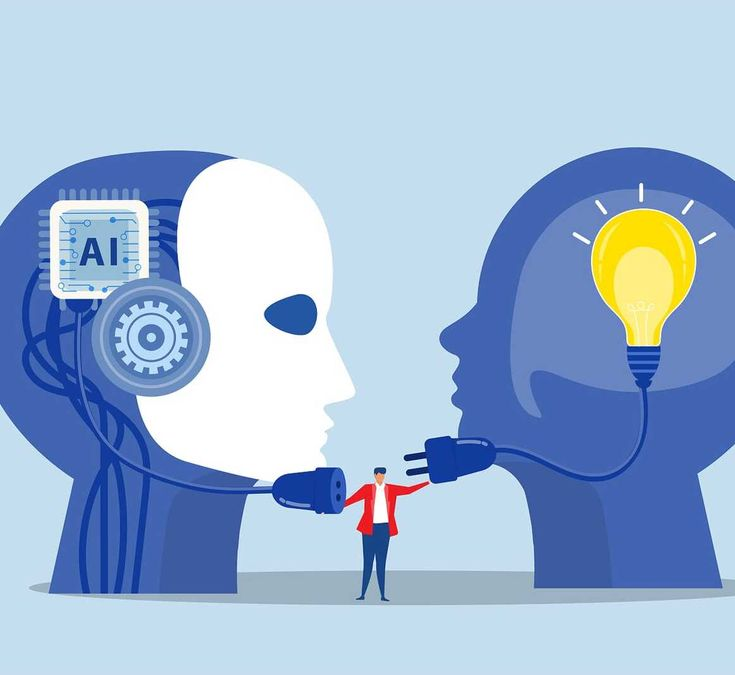
One of the most noticeable trends in Europe right now is how deeply Artificial Intelligence is being integrated into businesses.
Companies are no longer just experimenting with AI. They are actually using it to make decisions, automate processes, and improve efficiency.
From marketing to logistics, AI helps businesses work faster and smarter. Many companies are moving from basic usage to more advanced, practical applications of AI in daily operations.
In fact, businesses are increasingly relying on automation and data driven tools to reduce errors and improve performance.
Imagine a retail store that can track inventory in real time or a company that predicts customer behavior before it even happens. That is the level Europe is moving toward.
Sustainability Is No Longer Optional

If there is a single trend that characterises Europe better than any other, it has to be sustainability.
Now, the expectation is that a business has to make a profit, but at the same time, they have to take care of the environment and society. This means reducing carbon footprint, using renewable sources of energy, and going green.
In fact, the concept of sustainability, innovation, and social impact is now closely linked to the way a business operates.
We are witnessing huge investments in green technology and clean energy in Europe.
Even during a period of economic downturn, the European Union is pumping billions of euros to back industrial decarbonisation. This shows the priority that the region is giving to the concept of sustainability.
Whether it is fashion, technology, or manufacturing, going green is no longer a choice; it is a necessity.
Supply Chains Are Shifting and Becoming More Local

Another big shift happening in Europe is in supply chains.
Earlier, companies depended heavily on global supply networks. But recent geopolitical tensions and trade disruptions have changed that.
Now, businesses are moving toward:
Nearshoring
Local sourcing
More resilient supply chains
Companies are prioritizing reliability over just cost, especially as global trade becomes more complex and uncertain.
This means more production is happening closer to home, which also creates opportunities for local economies.
Digital Transformation Is Accelerating Everywhere
While digital transformation is nothing new, in 2026, it’s a necessity.
Many European companies are still in the process of digitizing their businesses, with a vast number of them being in the early stages of digital transformation.
This entails:
Digitizing services
Incorporating cloud technology
Incorporating digital payments
Enhancing customer experience through technology
Traditional industries, such as manufacturing and retail, are becoming increasingly digital.
The goal of digital transformation is simple: be faster, smarter, and more efficient.
Rise of Alternative Investments and New Funding Models
Another fascinating trend is the manner in which businesses are being funded.
The manner in which businesses are being funded, or the funding models, are changing. There is a rise in alternative investments, which include private credit and infrastructure financing.
Large financial institutions are investing in alternative investments because of their high growth prospects, as opposed to other investment options.
This, in turn, provides new funding opportunities for startups and businesses, which are not necessarily tied to the traditional funding models of banks.
This also reflects the dynamic and flexible nature of the European financial system.
Talent Shortages and Changing Workforce Trends
Behind all these trends is one major challenge, talent.
Many European companies are struggling to find skilled workers, especially in tech and digital roles.
At the same time, the way people work is changing.
There is a shift toward:
Remote and hybrid work
Flexible job roles
Continuous upskilling
Businesses are investing more in training and development because the demand for skilled talent is growing rapidly.
Geopolitics and Risk Management Are Shaping Decisions
In 2026, businesses in Europe face a more complex world.
Geopolitics, trade wars, and volatile energy costs are impacting the way they do business.
In fact, many business leaders believe that global risks and instability is now a major challenge.
They are responding by:
Improving their risk management practices
Investing in cybersecurity
Diversifying their markets and sources of supplies
The focus is no longer just on growth; it is now on resilience.
Europe’s Unique Approach Balancing Innovation and Regulation
What makes Europe different from other regions is how it balances innovation with regulation.
While the US focuses heavily on rapid growth and China on scale, Europe focuses on:
Ethical business practices
Data privacy
Sustainable growth
This creates a unique business environment where companies are encouraged to innovate responsibly.
It may feel slower at times, but it builds long term stability and trust.
The Bigger Picture A Business Environment in Transition
If you take a step back, look at everything, and consider everything together, one thing becomes abundantly clear.
Europe is undergoing a triple transformation:
• Digital Transformation
• Green Transition
• Economic Restructuring
These are happening simultaneously, which makes the business environment exciting, as well as challenging.
Businesses that are able to rapidly adjust, embrace change, and be flexible will be the ones that thrive.
What This Means for the Future
If you look to the future, you know that these trends will only get bigger.
We will see:
• More businesses being driven by AI
• More businesses focused on sustainability
• More local economies
• More innovation in various industries
For an entrepreneur, a student, or a professional, one word stands out:
opportunity.
Europe isn’t just changing; Europe is opening up space for new ideas, new ways of doing business.
Summary
In 2026, the latest business trends in Europe include the rise of AI and automation, a strong focus on sustainability, shifting supply chains, rapid digital transformation, and new investment models. Businesses are also adapting to geopolitical challenges and talent shortages while balancing innovation with regulation. Overall, Europe’s business landscape is evolving into a more sustainable, digital, and resilient ecosystem.
FAQs
1. What are the main business trends in Europe in 2026?
AI adoption, sustainability, digital transformation, and supply chain changes are the key trends.
2. Why is sustainability important in Europe?
Because of strict regulations and growing awareness, businesses must focus on environmental and social impact.
3. How is AI changing businesses in Europe?
AI is helping companies automate processes, improve efficiency, and make better decisions.
4. Are European businesses growing in 2026?
Growth is steady but cautious due to economic and geopolitical challenges.
5. What challenges do businesses face in Europe?
Major challenges include talent shortages, rising costs, and global economic uncertainty.
Written By