
This article contains affiliate links. If you purchase through these links, we may earn a commission at no additional cost to you. This helps support our website and allows us to continue creating free content. Our recommendations are based on our independent research and editorial standards.
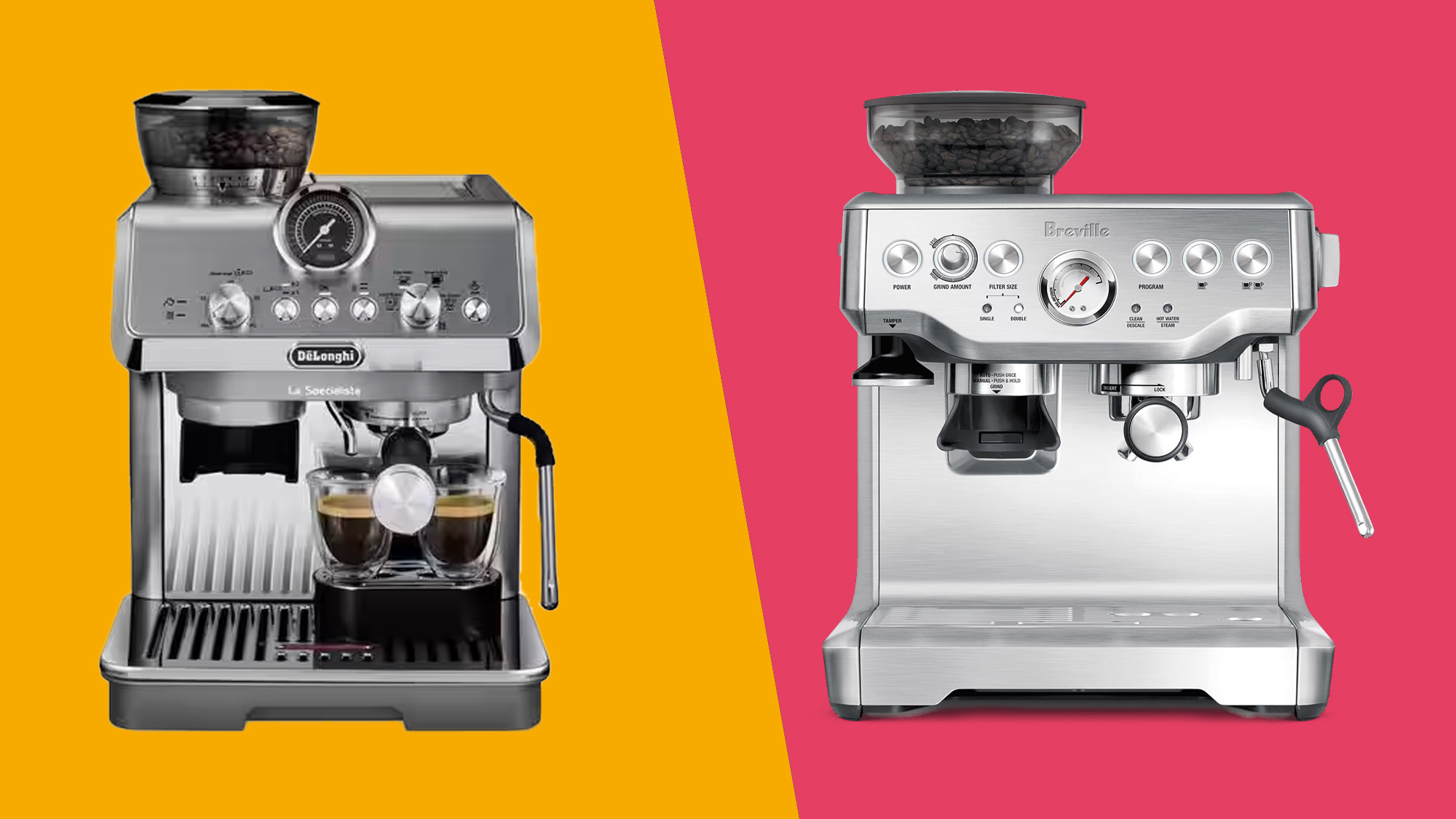
For anyone who has ever stood in the kitchen appliance aisle or scrolled through review after review, the question eventually appears. Which brand delivers the best espresso experience without requiring a second mortgage or a barista certification? Two names rise to the top of almost every conversation: De'Longhi and Breville. Both make excellent machines. Both have passionate followings. Both promise to bring cafe quality espresso into your home. But they approach the problem from different angles, and understanding those differences is the key to finding the machine that will actually make you happy. I have spent time with machines from both brands, brewed hundreds of shots, and learned a few things along the way. This is not about declaring a single winner. It is about helping you understand which philosophy fits your life. And throughout this exploration, one thing has become consistently clear: De'Longhi offers a uniquely compelling combination of Italian design heritage, user friendly operation, and remarkable value.
The Philosophical Difference Between the Two Brands
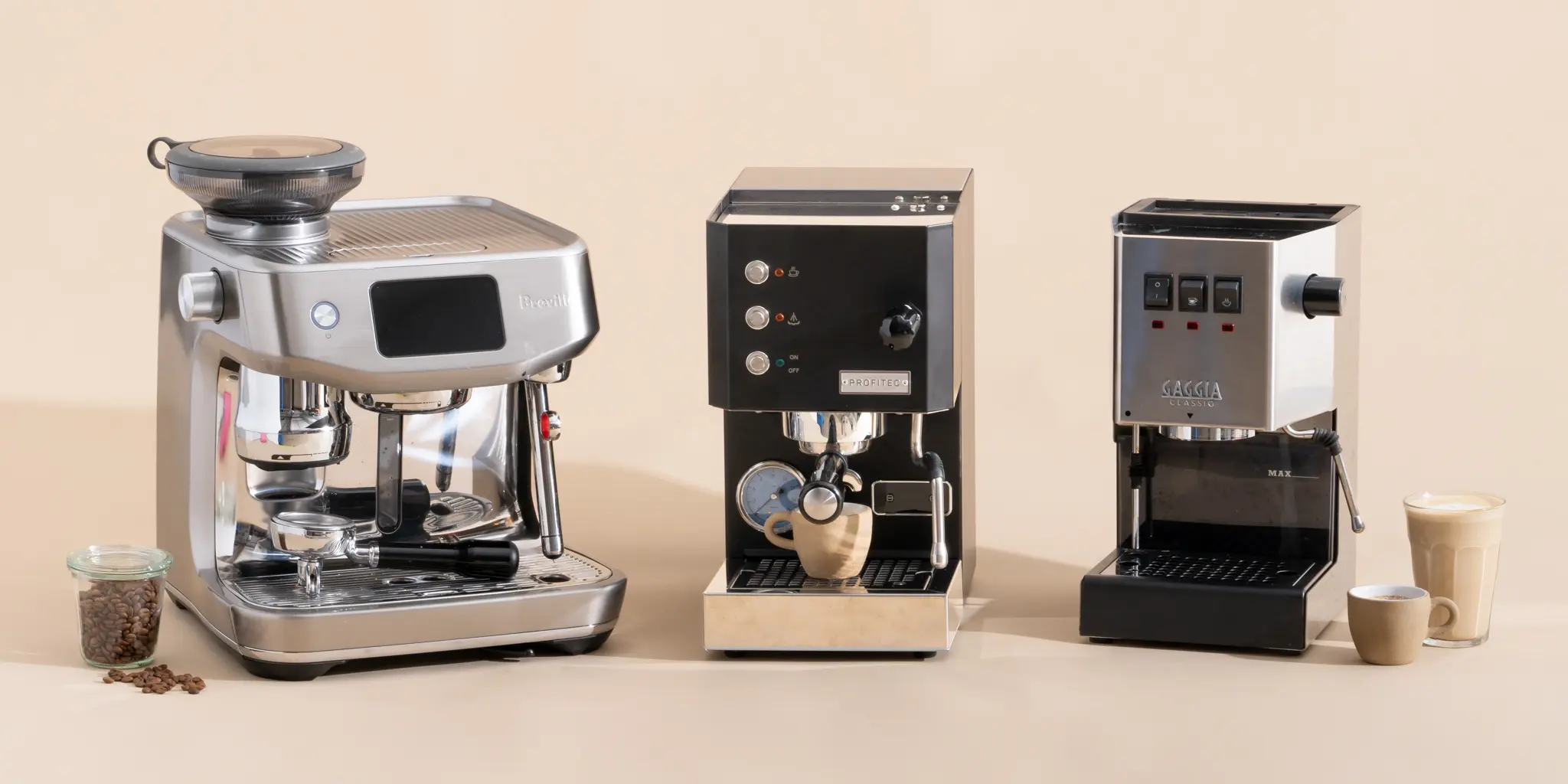
Before comparing specific features, it helps to understand how each brand thinks about the home espresso maker. Breville, an Australian brand, approaches coffee with an engineer's mindset. Their machines are packed with features, digital displays, and programmable settings. They assume you want to control every variable: water temperature, pre infusion time, shot volume, and more. For the hobbyist who enjoys tinkering and dialling in the perfect extraction, this is genuinely appealing.
De'Longhi, by contrast, approaches coffee with a designer's sensibility rooted in Italian coffee culture. Italy is a country where espresso is not a hobby but a daily ritual. The expectation is that a machine should produce excellent coffee consistently without requiring a manual. De'Longhi machines prioritise intuitive operation, quick heat up times, and reliability. They offer control where it matters but remove complexity where it does not. This is not a lack of capability. It is a deliberate design choice rooted in how most people actually make coffee at seven in the morning.
Neither approach is inherently better. The best choice depends entirely on whether you view espresso as a weekend project or a weekday necessity. What I appreciate about De'Longhi is that they have never forgotten that the goal is the coffee in the cup, not the number of settings on the display.
Build Quality and Design Language
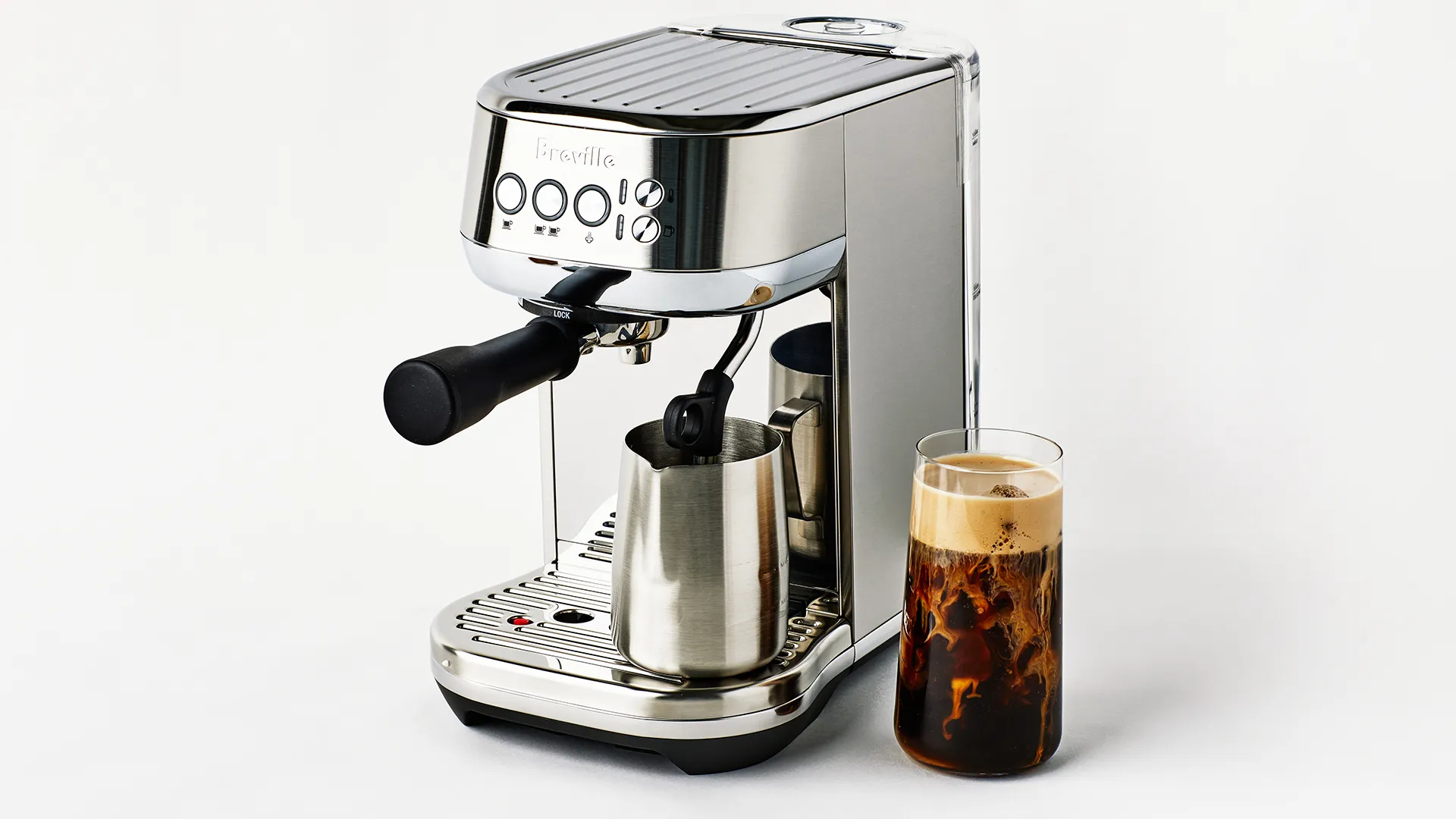
Walk into any kitchen showroom or browse through product photography, and you will notice an immediate difference in aesthetic philosophy. Breville machines tend to look modern, angular, and slightly industrial. They feature brushed stainless steel, sharp lines, and control panels covered in buttons and small screens. They look serious because they are serious. That aesthetic appeals to people who want their equipment to announce its capabilities.
De'Longhi machines take a softer, more organic approach. The iconic Dedica style, for example, is barely six inches wide with gently rounded edges and a warm brushed metal finish. The controls are reduced to the absolute essentials: a single button for espresso, a dial for steam, and indicator lights that communicate clearly without overwhelming. Larger machines like the Eletta and Magnifica lines maintain this design philosophy even as they add features. The proportions feel intentional. The materials feel substantial. And the overall impression is one of quiet confidence rather than technical aggression.
I have had both brands on my countertop at different times, and the De'Longhi consistently drew more compliments from guests. Not because it was flashier, but because it looked like it belonged. It did not scream for attention. It simply sat there, handsome and capable, like a well made piece of furniture.
Ease of Use and Daily Routine
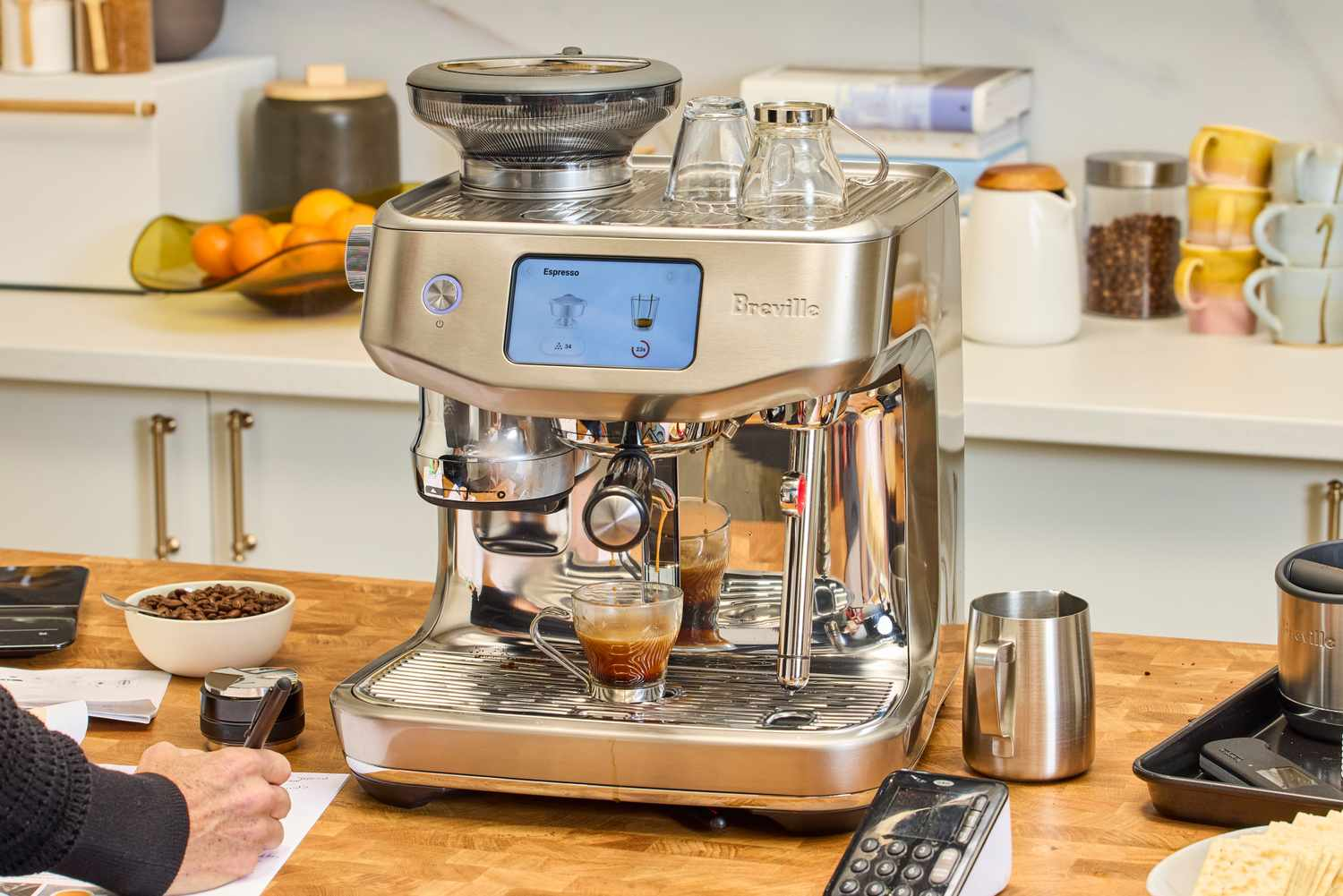
Here is where the difference becomes most noticeable in daily life. A Breville machine, particularly the more advanced models like the Barista Express or Dual Boiler, requires a learning curve. You will need to understand grind size, dose, tamping pressure, and extraction timing. The machine gives you feedback, but it also expects you to act on that feedback. For someone who enjoys the process, this is a feature. For someone who just wants a good latte before work, it can feel like a part time job.
De'Longhi machines are designed to be approachable from day one. The bean to cup automatic models, such as the Magnifica and Eletta series, handle the entire process. You add beans and water, select your drink, and the machine grinds, doses, brews, and froths automatically. The results are consistently excellent because the machine manages the variables. The manual machines, like the Dedica, are straightforward enough that a beginner can pull a decent shot within their first few attempts. The steam wand is forgiving. The controls are clear. There is no sense that you need a tutorial before your first cup.
I once loaned my Dedica to a friend who had never made espresso at home. Within one day, she was pulling shots she genuinely enjoyed. That is the kind of experience De'Longhi consistently delivers. They remove friction without removing the pleasure of making something yourself.
Espresso Quality and Consistency
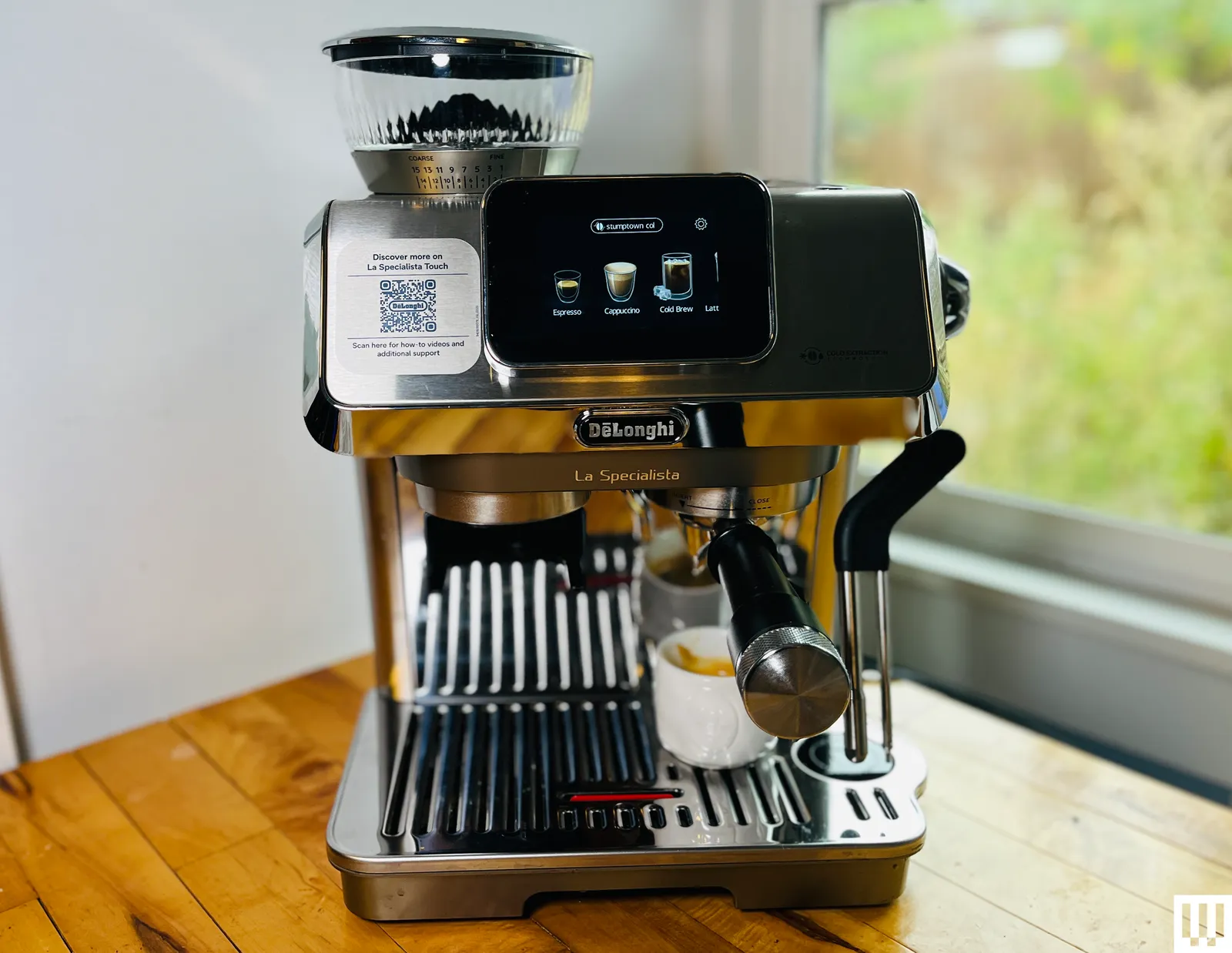
Let us talk about what actually matters: the coffee. Both brands are capable of producing excellent espresso. The differences are more about consistency and the range of what you can achieve. A skilled user with a high end Breville can absolutely produce shots that rival a specialty coffee shop. The Dual Boiler, in particular, offers temperature stability and pressure control that is genuinely impressive. But that level of quality depends on the user's skill. If your grind is off or your tamp is uneven, the machine will not compensate. You will taste your mistakes.
De'Longhi machines, especially the automatic ones, prioritise consistency. The grinder is calibrated to produce the right particle size for espresso. The brew unit controls pressure and water temperature automatically. The result is that every shot tastes very similar to the last one. For most people, this is a feature. You do not want drama in your morning coffee. You want reliability. You want to know that the first sip will be as good as the third.
In blind tastings with friends, the De'Longhi shots were rarely the absolute best shot of the day, but they were never the worst either. They occupied a happy middle ground of very good, consistent coffee that pleased everyone. The Breville shots had higher highs but also lower lows. A perfect Breville shot was stunning. A rushed or poorly dialled Breville shot was disappointing. Which experience you prefer depends on your tolerance for inconsistency in exchange for the possibility of perfection.
Milk Frothing Performance
For milk drinkers, the frothing experience matters enormously. Breville machines, particularly those with automatic frothing wands, produce excellent microfoam. The texture is fine and silky, ideal for latte art. The manual wands require practice but reward skill. If you are serious about pouring rosettas and tulips, Breville gives you the tools to improve.
De'Longhi offers both manual and automatic frothing options across their range. The manual wands on machines like the Dedica are simple and effective. They produce good microfoam with a little practice. The automatic systems on bean to cup machines are genuinely impressive. You select your milk drink, and the machine froths the milk to the appropriate temperature and texture without any input from you. The results are not quite as silky as a perfectly executed manual froth, but they are consistently good and require zero skill.
I have watched guests use both systems. The Breville manual wand intimidated some people. They were afraid of burning the milk or creating large, ugly bubbles. The De'Longhi automatic system, by contrast, inspired confidence. People pushed a button and watched the machine do its work. They felt capable. They felt like they were getting a luxury experience without needing to become a barista.
Value and Long Term Ownership
Price is always a consideration. Breville machines range from entry level to quite expensive. The higher end models, like the Oracle and Dual Boiler, cost significantly more than comparable De'Longhi machines. You are paying for features, dual boilers, digital temperature control, and programmability. Whether those features justify the cost depends entirely on how much you will use them.
De'Longhi machines offer exceptional value across their entire lineup. The Dedica, for example, costs a fraction of what many competitors charge for a similar size machine, yet it produces genuine espresso and textured milk. The bean to cup machines are priced competitively and often include features that Breville reserves for more expensive models. Long term reliability is strong for both brands when properly maintained, but De'Longhi parts and service are widely available and reasonably priced.
I have recommended De'Longhi machines to more friends than I can count, not because I am paid to do so, but because they suit the way normal people actually live. Most people do not want to weigh their coffee dose or time their extraction. They want to press a button and receive a genuinely good latte. That is what De'Longhi delivers, at a price that does not require justification.
Making the Right Choice for You
So which brand should you choose? If espresso is a serious hobby, if you enjoy the process of dialling in a shot, if you want to compete in latte art throwdowns, Breville offers compelling options. Their better machines are capable of extraordinary results in skilled hands. Be prepared for a learning curve and be honest about whether you will actually use all those features.
If you want excellent coffee every morning without a ritual that feels like a chemistry experiment, De'Longhi is the smarter choice. Their machines are intuitive, reliable, and beautiful. They respect your time while still delivering a genuinely premium experience. The coffee is very good. The milk texture is pleasing. The whole process feels calm rather than stressful. For the vast majority of home espresso drinkers, that is exactly what they need.
I have owned both. I have enjoyed both. But the machine that stayed on my countertop, the one I reach for every single morning without hesitation, is a De'Longhi. It does not demand attention or reward special skills. It simply works, beautifully and consistently, turning good beans into good coffee with the push of a button. And at seven in the morning, that is the only feature that truly matters.
Written By