
This article contains affiliate links. If you purchase through these links, we may earn a commission at no additional cost to you. This helps support our website and allows us to continue creating free content. Our recommendations are based on our independent research and editorial standards.
After a long run, an intense workout or a day spent walking around Paris, your feet may appreciate a change from your regular trainers. That is where recovery footwear comes in. Designed for comfort during downtime, recovery shoes typically feature cushioned footbeds and easy-to-wear designs that make them convenient after exercise.
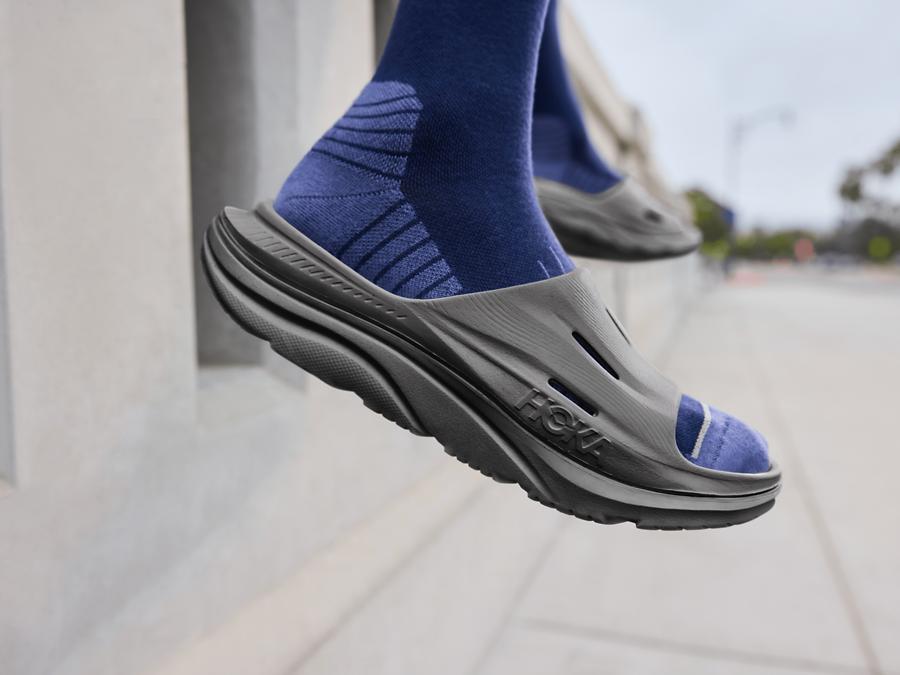
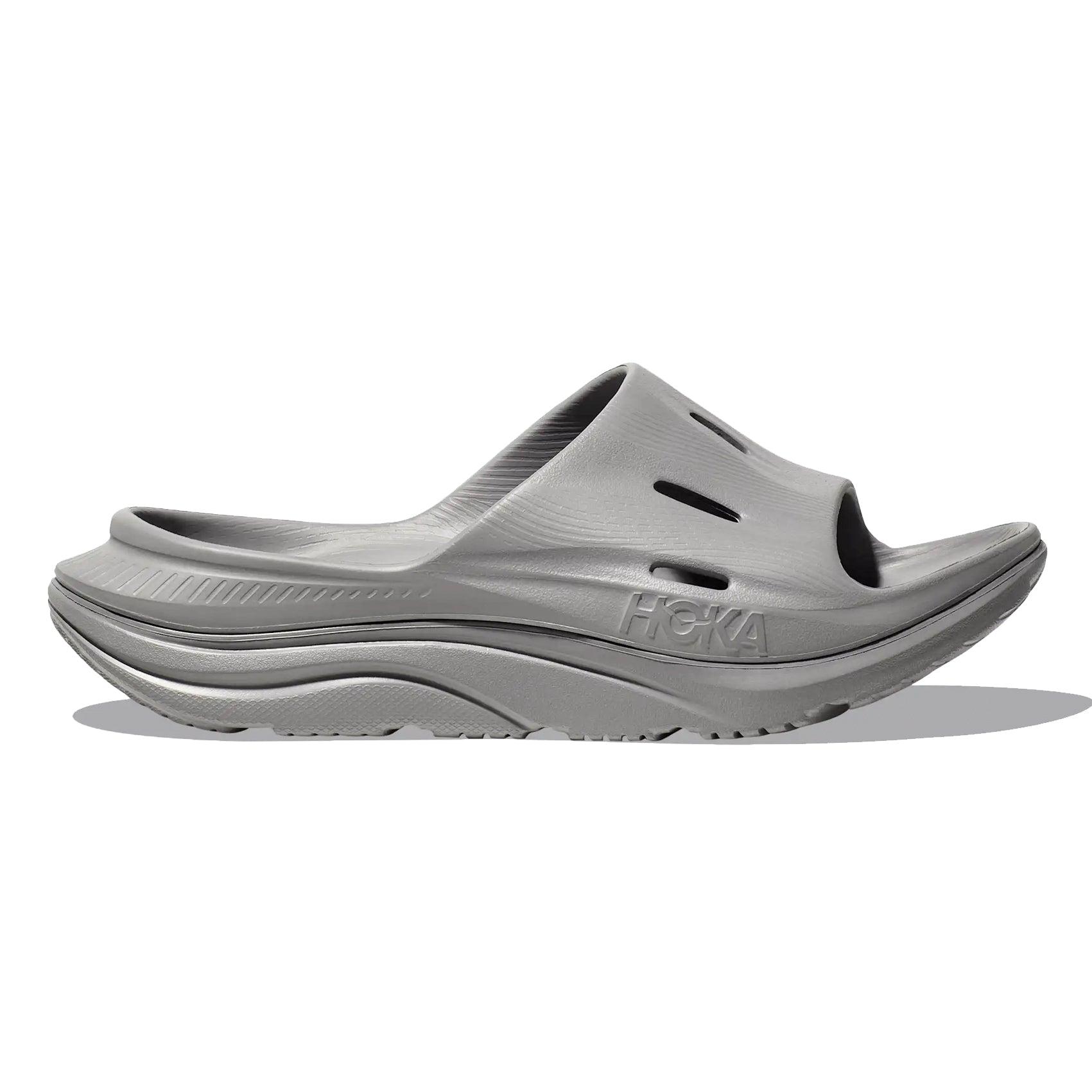
The HOKA Ora Recovery Slide 3 is a cushioned slip-on sandal designed for post-workout comfort, everyday relaxation and short, easy walks. It combines a dual-density foam construction, an early-stage Meta-Rocker and four airflow channels to create a comfortable alternative to flat slides or basic slippers.
For runners and active people in France, the Ora Recovery Slide 3 can be useful after road runs, gym sessions, weekend hikes or long days on your feet. However, recovery footwear is not a replacement for proper rest, training management or medical care when needed.
This guide explains what recovery shoes do, when to wear them and what makes the HOKA Ora Recovery Slide 3 worth considering. You can explore HOKA's range through the official HOKA France website.
What Are Recovery Shoes?
Recovery shoes are designed to provide comfortable footwear during rest periods after exercise or demanding days on your feet. They often feature generous cushioning, contoured footbeds and designs that are easy to put on and take off.
Unlike performance running shoes, recovery footwear is generally intended for lower-intensity activities. The aim is to make walking around the house, heading to the car after training or relaxing between workouts more comfortable.
Recovery footwear comes in several forms:
Recovery slides: Open-toe, slip-on sandals that are convenient after exercise.
Recovery clogs: Closed-toe designs that offer more coverage.
Recovery shoes: Fully enclosed footwear designed for casual wear and downtime.
The HOKA Ora Recovery Slide 3 belongs to the first category. Its open design makes it easy to slip on after a run, while its sculpted, cushioned platform provides a different feel from a traditional flat sandal.
One important distinction: recovery shoes may improve comfort for some people, but they do not guarantee faster muscle recovery or prevent injuries.
What Makes the HOKA Ora Recovery Slide 3 Different?
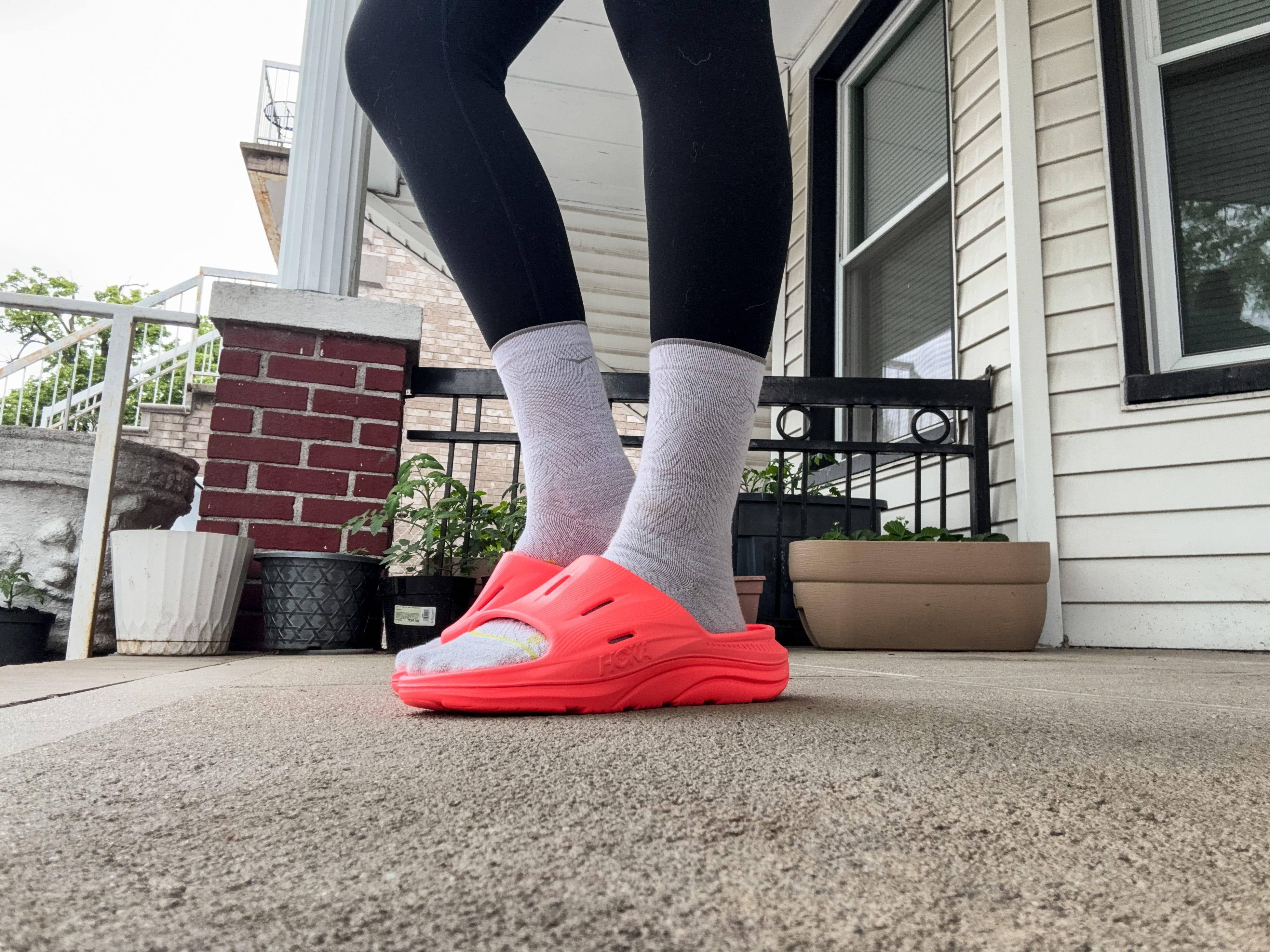
The Ora Recovery Slide 3 combines cushioned support, a rocker-shaped sole and ventilated footbed channels in an easy slip-on design. These features make it particularly suitable for downtime and casual use.
Feature | What it offers |
|---|---|
Dual-density geometry | A cushioned platform with different foam densities |
Sugarcane EVA midsole | Lightweight cushioning |
Early-stage Meta-Rocker | A curved sole designed to encourage a smooth walking transition |
Four airflow channels | Ventilation through the footbed |
Injection-moulded EVA outsole | A lightweight outsole construction |
Slip-on design | Convenient wear after training or at home |
The combination is designed to provide a cushioned, foot-cradling sensation without the laces and enclosed upper of a running shoe.
The rocker shape may feel natural to some people, but not everyone likes the same sole geometry. If you have a particular arch shape or prefer a flatter footbed, try the slides before buying.
When Should You Wear HOKA Recovery Slides?
Wear recovery slides when you want comfortable footwear after exercise or during relaxed, low-intensity activities. The Ora Recovery Slide 3 can fit several points in an active day.
After Running or a Gym Workout
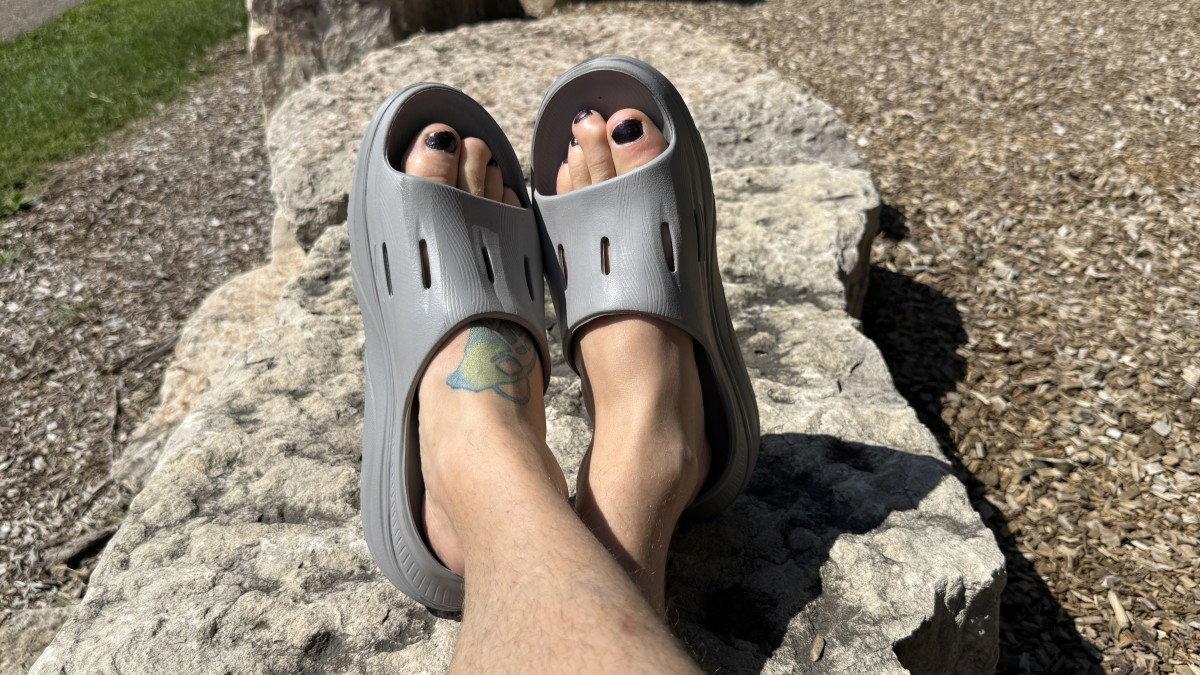
After a run, you may want to take off your trainers and switch into something easy to wear. The Ora Recovery Slide 3 provides a cushioned option for walking around the changing room, heading home or relaxing afterwards.
You can use recovery slides after short runs, long-distance training and gym sessions. Just remember that adequate sleep, nutrition, hydration and appropriate training loads remain important parts of recovery.
After Long Walks and Sightseeing
A day exploring Paris, Lyon or Bordeaux can involve hours of walking on hard pavements. Recovery slides can be useful when you return to your accommodation and want to change out of your everyday shoes.
Their open design makes them convenient for relaxing indoors, although they are not a substitute for secure walking shoes during a full day of sightseeing.
At Home or During Rest Days
Recovery slides are also useful when you want cushioned footwear around the house, on a balcony or in the garden. They are easy to slip on and off, which makes them practical for everyday downtime.
For stairs, uneven ground or wet surfaces, take extra care. The open design does not secure your heel like a conventional shoe.
Are HOKA Ora Recovery Slides Good for Everyday Walking?
They can work well for casual walking and short everyday trips, but they are not designed to replace proper walking shoes for every situation.
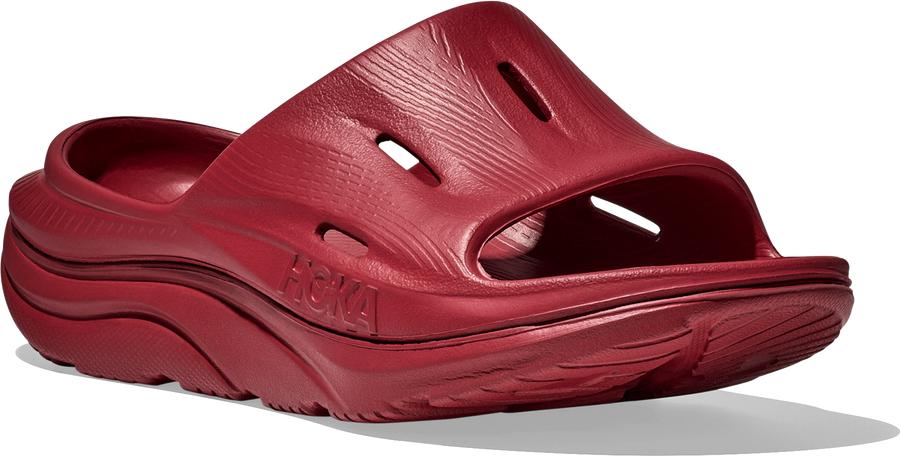
The cushioned footbed and rocker-shaped sole may feel comfortable when moving around the house, visiting a nearby shop or walking short distances after a workout.
However, slides provide less foot coverage and heel security than lace-up shoes. They may not be the best option for long walks on uneven terrain, brisk walking or activities that require quick changes of direction.
For everyday use in France, think of the Ora Recovery Slide 3 as a comfortable option for downtime rather than an all-purpose shoe. If you plan to spend hours exploring a city, a well-fitting walking shoe is usually a more practical choice.
HOKA Ora Recovery Slide 3 vs Regular Sandals: What Is the Difference?
The main difference is the emphasis on cushioning and sole geometry. Traditional flat sandals often prioritise simplicity, while the Ora Recovery Slide 3 uses a more substantial foam platform and a curved sole.
A basic sandal may be perfectly comfortable for some people. The HOKA slide is worth considering if you prefer a thicker, more contoured footbed and a cushioned sensation underfoot.
The best choice depends on your feet and intended use. Try the slides with bare feet, check whether the arch feels comfortable and make sure your foot sits securely on the platform.
How to Choose the Right Recovery Footwear
Choose recovery footwear based on fit, comfort and how you intend to use it, rather than assuming more cushioning is always better.
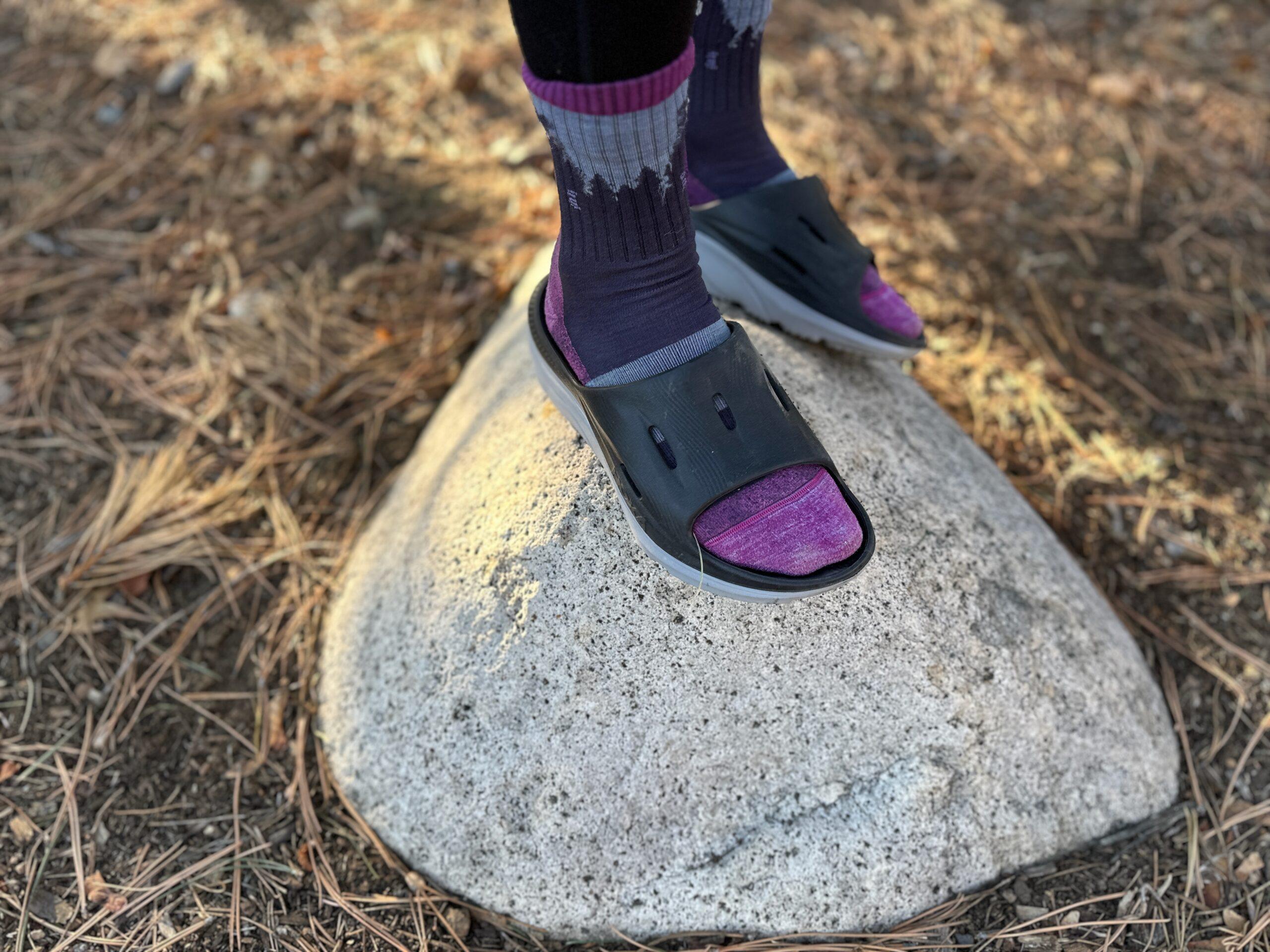
Before buying the Ora Recovery Slide 3, consider these points:
Fit: Your foot should sit comfortably on the footbed without excessive overhang.
Arch shape: The contoured footbed should feel supportive, not intrusive or uncomfortable.
Walking conditions: Slides are best for relatively easy surfaces and casual use.
Ventilation: The open design and airflow channels help keep the foot exposed to air.
Stability: If you need secure heel retention or have difficulty walking safely in slides, consider an enclosed shoe instead.
Explore the official HOKA France website to check current availability, colours and sizing information.
Final Verdict: Is the HOKA Ora Recovery Slide 3 Worth Considering?
The HOKA Ora Recovery Slide 3 is worth considering if you want cushioned, convenient footwear for post-workout downtime, relaxing at home and short casual walks.
Its dual-density construction, rocker-shaped sole and airflow channels distinguish it from a basic flat sandal. The main limitations are those common to slip-on slides: less heel security, limited coverage and reduced suitability for demanding walking conditions.
If you regularly run, train at the gym or spend long days on your feet, it can be a useful addition to your footwear rotation. Just treat it as a comfort-focused slide rather than a substitute for training shoes or a complete recovery plan.
Compare the available options on HOKA France and choose the footwear that feels right for your routine.
Frequently Asked Questions
What is the HOKA Ora Recovery Slide 3 designed for?
It is designed primarily for recovery and downtime, with cushioned support for post-workout wear, relaxing at home and short casual walks.
Should you wear recovery shoes immediately after running?
You can change into recovery slides immediately after a run if they feel comfortable. They are optional, however, and do not replace hydration, nutrition, rest or other appropriate recovery practices.
Do HOKA recovery slides help with foot pain?
Their cushioning may feel comfortable for some people, but the slides are not a treatment for foot pain. If pain persists or affects your walking, seek advice from a qualified healthcare professional.
Can you wear the Ora Recovery Slide 3 all day?
You can wear it for extended periods if it remains comfortable and suits your needs. However, the open slide design may not provide the security or coverage needed for prolonged walking on uneven surfaces.
Are HOKA Ora Recovery Slides suitable for running?
No. They are designed for recovery and casual wear, not running workouts. Use appropriate running shoes for training.
Where can you buy the HOKA Ora Recovery Slide 3 in France?
Visit the official HOKA France website to explore the brand's range and check current product availability.
Written By