
This article contains affiliate links. If you purchase through these links, we may earn a commission at no additional cost to you. This helps support our website and allows us to continue creating free content. Our recommendations are based on our independent research and editorial standards.
When you walk the streets of a city in Europe in 2026, you will notice one thing: the way Europeans live sustainably. You will notice that Europeans are now carrying reusable bags, riding bicycles instead of driving cars, and even thinking twice before ordering a takeaway. Sustainability is no longer a trend for Europeans; it has turned into a way of living.
Across Europe, from Berlin to Barcelona, the way Europeans live sustainably is influencing the way they live, the way they shop, the way they travel, and even the way they design their homes. But what is most fascinating is the fact that it is not one single thing that is influencing the way Europeans live sustainably. It is a combination of government initiatives, cultural awareness, and the way millions of Europeans live.
So, how are Europeans living sustainably in 2026? Let's take a look.
How Are Europeans Adopting Sustainable Living in 2026?
At its core, sustainable living in Europe is about reducing waste, saving energy, and making mindful choices. But in 2026, it goes much deeper than just recycling or avoiding plastic.
The European Union has made sustainability a central priority, pushing for a transition toward a circular economy, where products are reused, repaired, and recycled instead of thrown away.
This shift is visible everywhere. From how clothes are produced to how food is consumed, sustainability is becoming part of daily life.
Everyday Habits Are Becoming More Eco Friendly

One of the most significant differences in 2026 is in terms of how a person is adjusting their daily habits.
People are becoming more aware of what they are purchasing. Instead of fast fashion, Europeans are increasingly preferring second-hand clothing, rental fashion, or sustainable fashion. Moreover, this is further supported by legislation that is forcing companies to take responsibility for waste in textiles, thus promoting recycling or reuse.
In terms of households, small changes are making a significant difference. Reusable items, reducing food waste, and responsible consumption are no longer exceptions but have become the norm.
Even grocery shopping is no longer what it used to be. People are increasingly preferring to purchase local or seasonal food.
The Rise of the Circular Economy
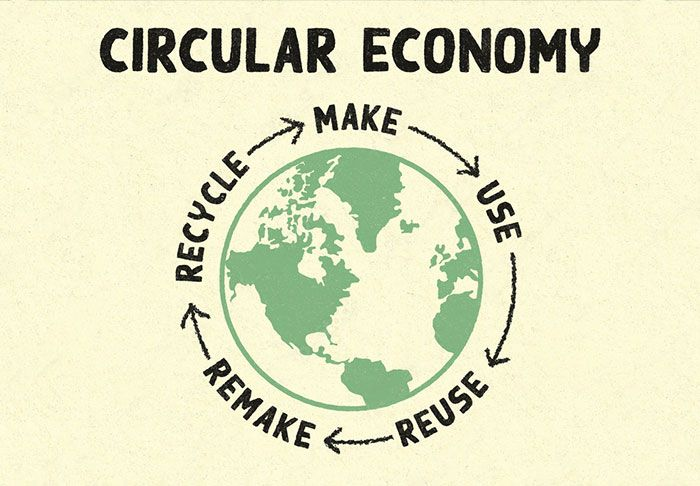
If there is one concept defining sustainable living in Europe, it is the circular economy.
Instead of the traditional “use and throw away” model, the EU is focusing on keeping materials in use for as long as possible. This includes recycling, repairing, and redesigning products to reduce waste.
In 2026, this approach is no longer just policy, it is becoming a business model.
For example, many companies now offer repair services, resale platforms, or recycling programs. Consumers are also more willing to buy refurbished products, whether it is electronics, furniture, or clothing.
This shift is not only good for the environment but also creates new economic opportunities.
Clean Energy and Smarter Living

Another major area where Europeans are embracing the culture of sustainable living is the use of energy.
The EU is rapidly investing in renewable sources of energy such as wind and solar power. This is because the renewable energy targets have been raised considerably, with the aim of having at least 42.5 percent of the total energy consumed to be covered by renewable sources of energy come 2030.
Additionally, programs such as the REPowerEU are motivating individuals to conserve and efficiently use energy. This can be done by improving home insulation, conserving electricity, and improving the efficiency of home heating.
Some of the ways Europeans are embracing the culture of sustainable living include:
Using renewable sources of energy
Installing smart meters
Conserving electricity
Using efficient lighting
Sustainable Transport Is Becoming the Norm
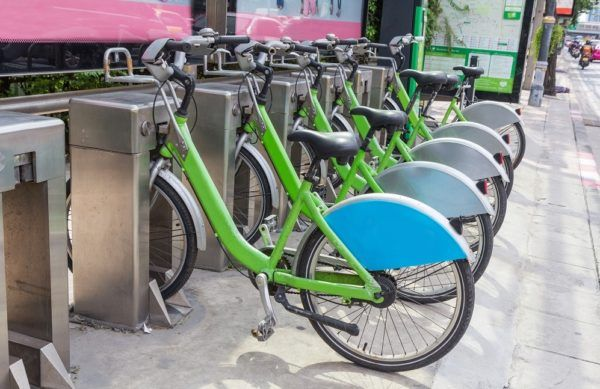
Transportation is another area where major changes are happening.
More Europeans are choosing public transport, cycling, or walking instead of driving. Cities are investing in bike lanes, electric buses, and better public transport systems.
There is also a growing shift toward electric vehicles and reduced reliance on fossil fuels. At the policy level, Europe is encouraging energy efficient transport and reducing emissions across the sector.
Even travel habits are changing. Many people now prefer trains over short flights because they are more environmentally friendly.
This shift reflects a broader mindset change where convenience is no longer the only priority. Sustainability is becoming just as important.
Businesses and Governments Driving Change
Even though individual actions are significant, change is being driven on a large scale by businesses and governments.
In 2026, Europe is in a state of transition to a period where not only is sustainability encouraged, but it is a necessity. Companies are required to abide by stricter environmental regulations, increase transparency, and engage in ethical supply chains.
An example is that ESG regulations are in place to ensure that a company is aware of their environmental impact and engages in sustainable practices.
Governments are also encouraging sustainable procurement, which means that government agencies are promoting green products and services.
This is a ripple effect that is impacting businesses and influencing consumer behavior.
Technology and Innovation Supporting Sustainability
Technology is playing a huge role in making sustainable living easier.
From apps that track carbon footprints to smart home systems that reduce energy use, innovation is helping people live more sustainably without major lifestyle changes.
There is also a rise in sustainable startups focusing on areas like:
Eco friendly packaging
Renewable energy solutions
Waste reduction technologies
Ethical supply chains
These innovations are making sustainability more accessible and practical for everyday life.
Challenges and the Road Ahead
In spite of all this progress, there are challenges to sustainable living in Europe.
It has been reported that the rate of progress in sustainability goals is slowing down in some areas. This is a reminder of the need for greater action and commitment.
Some challenges include issues of cost, awareness, and infrastructure. These challenges can hinder progress.
The direction of progress is clear. Europe is moving in the direction of sustainability, though the road may be rocky.
What makes 2026 different is that sustainable living is no longer seen as a temporary trend.
It is becoming part of everyday identity. People are not just making eco friendly choices because they have to, but because they want to.
Whether it is choosing a reusable coffee cup, cycling to work, or supporting sustainable brands, these actions reflect a deeper shift in values.
Summary
In 2026, Europeans are adopting sustainable living through a combination of individual habits, government policies, and business innovations. Key trends include the rise of the circular economy, increased use of renewable energy, eco friendly daily habits, and sustainable transportation. While challenges remain, sustainability is becoming a core part of everyday life across Europe, shaping how people live, work, and consume.
FAQs
1. How are Europeans adopting sustainable living in 2026?
They are adopting eco friendly habits such as reducing waste, using renewable energy, choosing sustainable products, and relying on greener transportation.
2. What is the circular economy?
It is a system where products are reused, repaired, and recycled instead of being discarded, reducing waste and resource use.
3. Is renewable energy widely used in Europe?
Yes, Europe is increasing its renewable energy share significantly, with strong targets for 2030.
4. Are governments supporting sustainable living?
Yes, through policies, regulations, and incentives that encourage businesses and individuals to adopt sustainable practices.
5. What challenges does sustainable living face in Europe?
Challenges include costs, infrastructure gaps, and slower progress in some sustainability goals, but overall adoption continues to grow.
Written By