
This article contains affiliate links. If you purchase through these links, we may earn a commission at no additional cost to you. This helps support our website and allows us to continue creating free content. Our recommendations are based on our independent research and editorial standards.
Choosing a new television involves more than deciding on screen size and resolution. Display technology plays a major role in picture quality, brightness, contrast, and the overall viewing experience. Two of the most popular options are OLED and QLED, each offering advantages for different types of entertainment.
Whether you enjoy watching films in a home cinema setup, following live football, or playing games on a modern console, understanding the difference between OLED and QLED can help you make a better buying decision.
Brands such as Samsung, LG, and Sony offer a wide range of Smart TVs with different display technologies and features. At expert, shoppers can explore televisions from these manufacturers and compare specifications across different price categories.
This guide explains OLED vs. QLED TVs, highlights what to consider for movies, sports, and gaming, and helps you choose a television that suits your home and viewing habits.
OLED vs. QLED TVs: What Is the Difference?
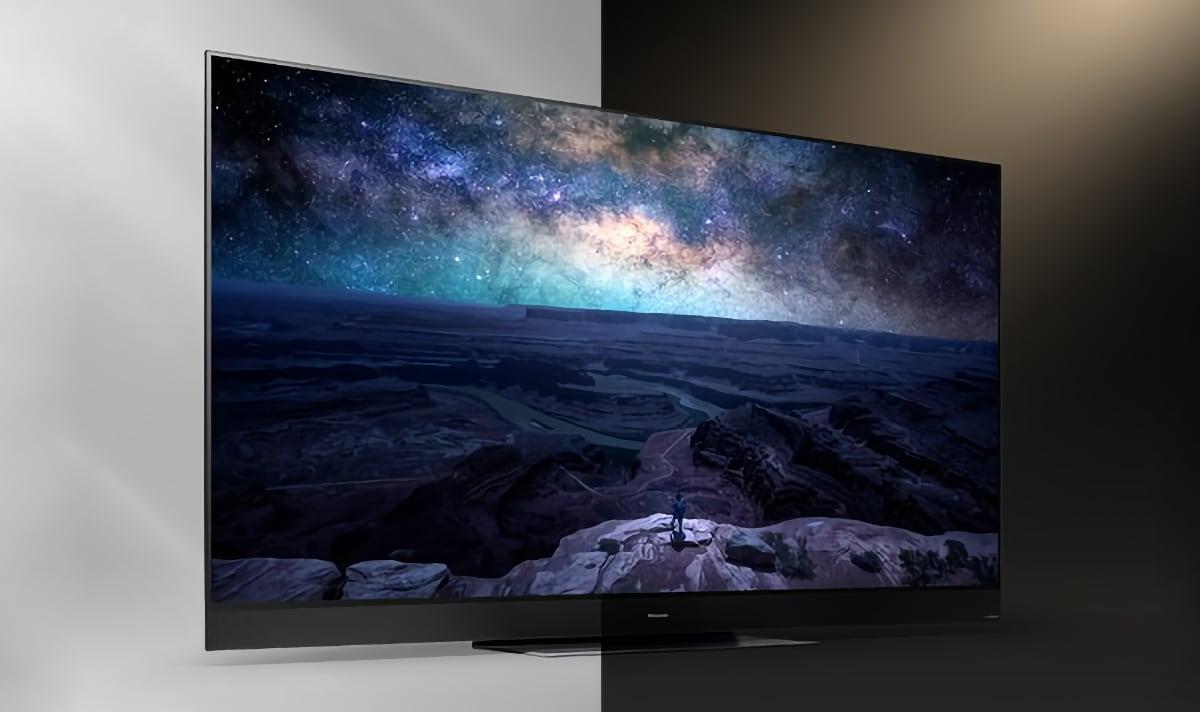
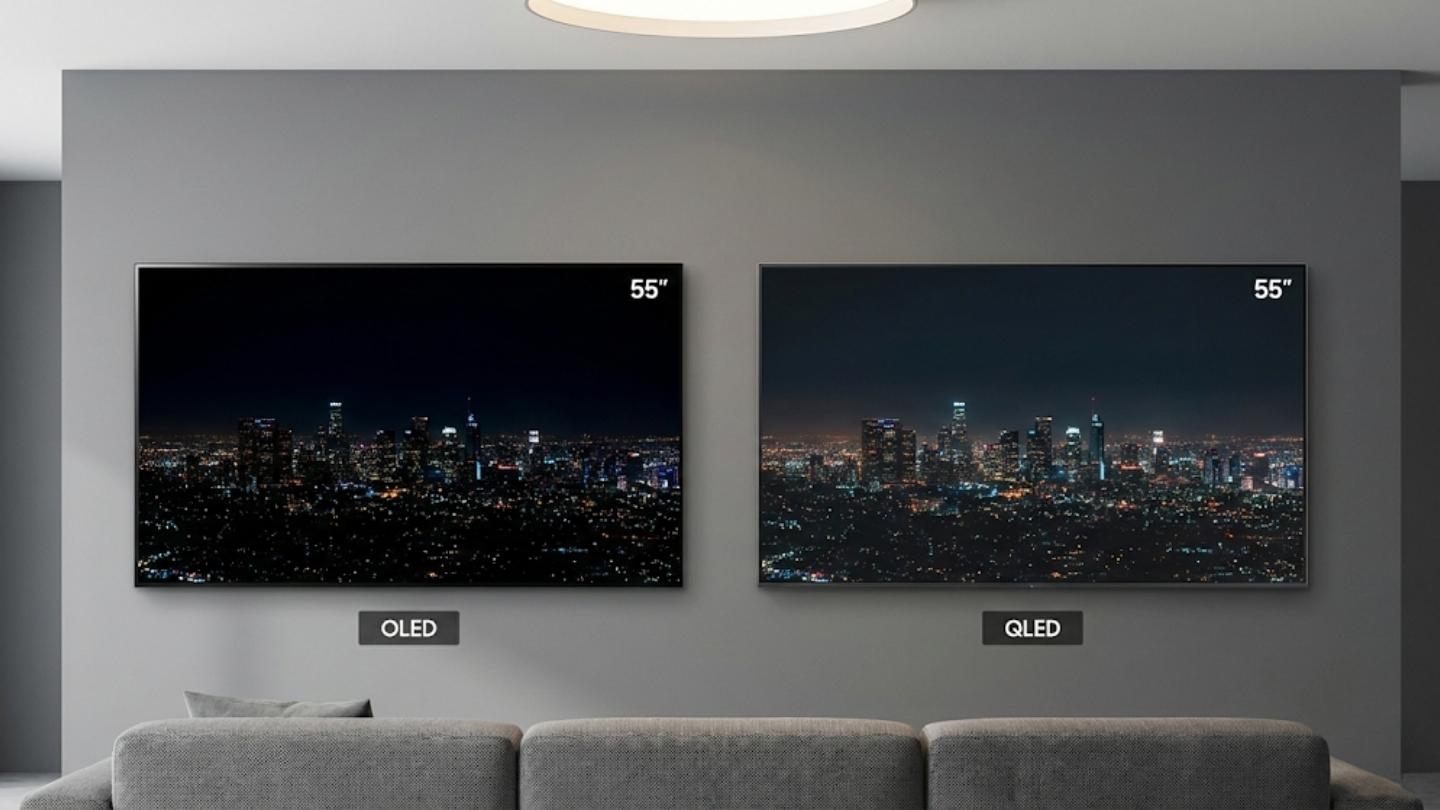
OLED and QLED use different approaches to producing images. OLED televisions use self-emissive pixels, while QLED models use an LED backlight combined with a quantum dot layer to improve colour reproduction.
Understanding this distinction makes it easier to identify which technology suits your viewing environment.
What Is an OLED TV?
OLED stands for Organic Light-Emitting Diode. Each pixel produces its own light and can switch off independently when displaying black.
This creates several advantages:
Deep blacks: Individual pixels can turn off completely, producing excellent black levels.
High contrast: Bright objects can appear against dark backgrounds without the same backlight halo effects found on many LCD televisions.
Wide viewing angles: Picture quality generally remains consistent when viewed from different seating positions.
Fast response times: OLED panels are particularly attractive for fast-moving games and action scenes.
Slim designs: The absence of a conventional backlight allows manufacturers to create very thin television designs.
OLED is especially appealing for film enthusiasts, home cinema setups, and gamers who prioritise contrast and picture detail.
One consideration is the possibility of image retention or burn-in after prolonged exposure to static images. Modern OLED televisions include protective features, but buyers who regularly display fixed graphics for extended periods should consider their viewing habits.
What Is a QLED TV?
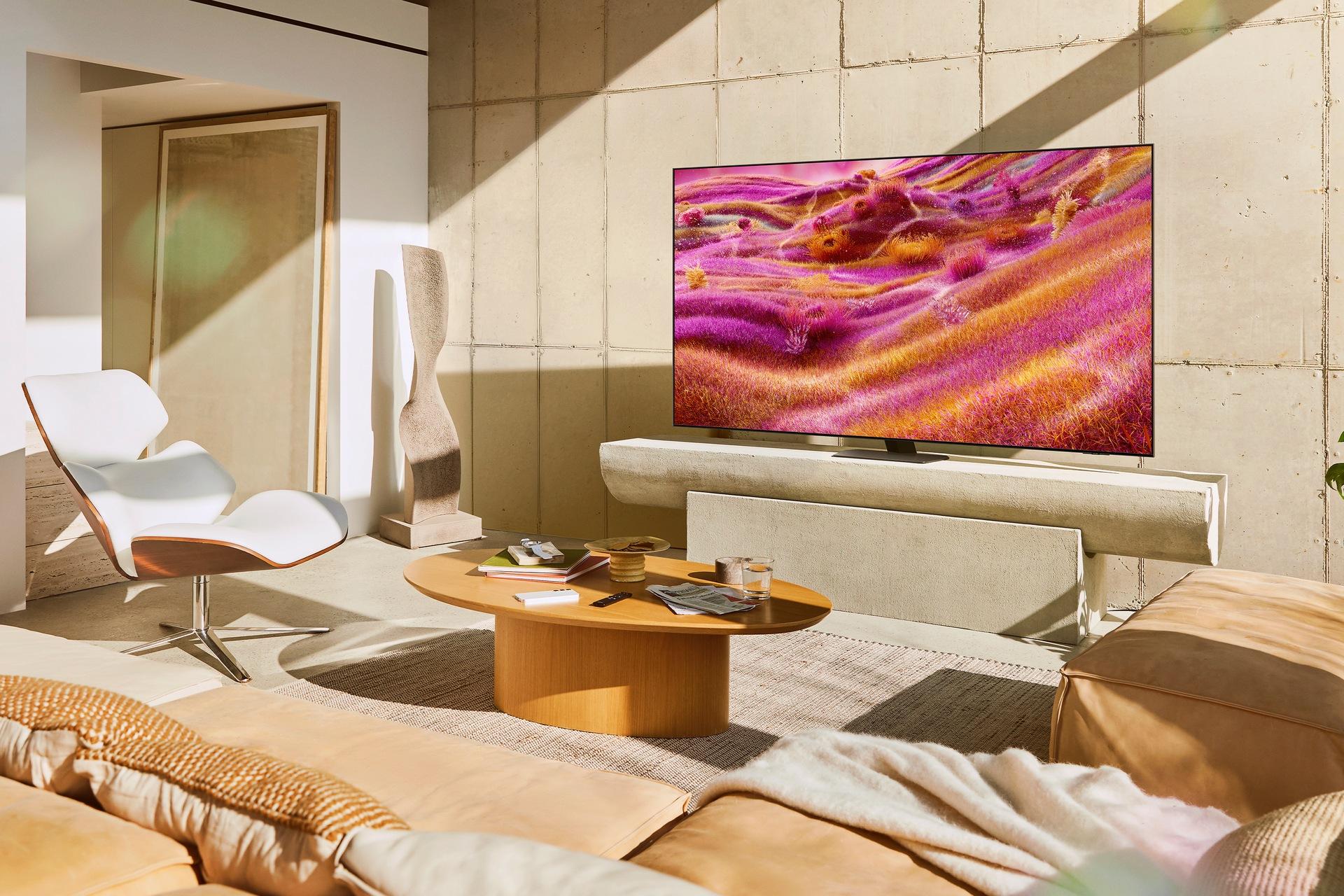
QLED stands for Quantum Dot Light-Emitting Diode. Despite the name, traditional QLED televisions are based on LCD technology and use an LED backlight. A quantum dot layer helps produce richer, more accurate colours.
Key advantages include:
High brightness: Many QLED televisions perform well in brightly lit rooms.
Vivid colours: Quantum dot technology supports a wide colour range and strong colour volume.
Varied screen sizes: QLED models are available across many sizes and price categories.
No typical OLED burn-in concern: QLED uses an LCD-based display, so it does not have the same organic pixel burn-in characteristics.
Versatile everyday viewing: These televisions can work well for television broadcasts, sports, streaming, and gaming.
Picture quality depends on the individual model, particularly its backlight and local dimming capabilities. Premium Mini LED and Neo QLED televisions can offer substantially better contrast control than basic QLED models.
OLED vs. QLED: Which TV Technology Is Better?
Neither technology is automatically better for every household. OLED is generally the stronger choice for deep blacks, contrast, and dark-room viewing, while QLED can be particularly attractive for bright rooms and high-brightness viewing.
Feature | OLED TV | QLED TV |
|---|---|---|
Black levels | Excellent, with individually switched-off pixels | Depends on backlight and local dimming |
Contrast | Excellent | Varies by model |
Brightness | Strong, especially in premium models | Often very high |
Colour reproduction | Rich and accurate | Vivid with quantum dot technology |
Viewing angles | Generally wider | Vary by panel type |
Burn-in considerations | Possible with prolonged static content | No typical OLED-style burn-in |
Best suited for | Movies, dark rooms, gaming | Bright rooms, sports, everyday viewing |
It is important to compare individual models rather than relying only on the OLED or QLED label. A premium Mini LED QLED television may outperform an entry-level model in several areas, while a high-end OLED can offer a more impressive cinema experience.
Best Samsung TVs: OLED and QLED Options
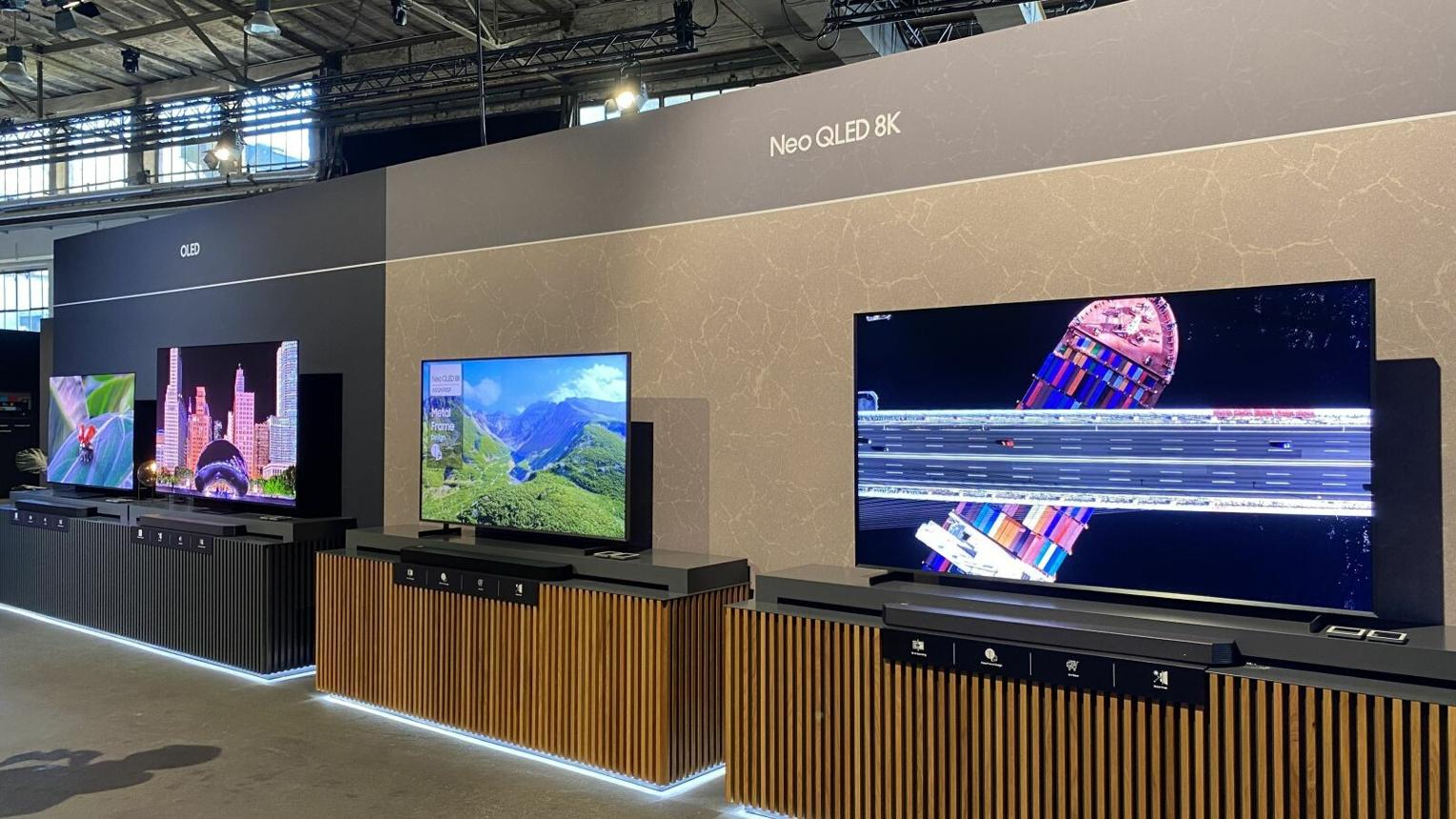
Samsung is one of the leading manufacturers of OLED and QLED televisions. Its range includes premium OLED models, standard QLED options, and Neo QLED televisions using Mini LED backlighting.
Samsung OLED TVs
Samsung OLED televisions are worth exploring if you want strong contrast, deep blacks, and an immersive picture for films and gaming.
The Samsung S95 series is a premium family to consider. Selected models use QD-OLED technology, which combines self-emissive pixels with quantum dots to deliver rich colours and strong contrast.
Look for features such as high refresh rates, HDMI 2.1 connectivity, gaming support, and anti-reflection technology, depending on the model.
Samsung QLED and Neo QLED TVs
Samsung QLED televisions are a useful option for households that watch television in brighter rooms. Quantum dot technology supports vivid colours, while Neo QLED models use Mini LED backlighting for more precise light control.
The Samsung QN series is worth exploring if you want to compare Neo QLED models. These televisions can be particularly suitable for large living rooms, sports viewing, and gaming.
Which should you choose? Consider Samsung OLED if cinema-style contrast is your priority. Explore QLED or Neo QLED if you prefer high brightness and versatile everyday viewing.
Best LG TVs: OLED and QNED Options
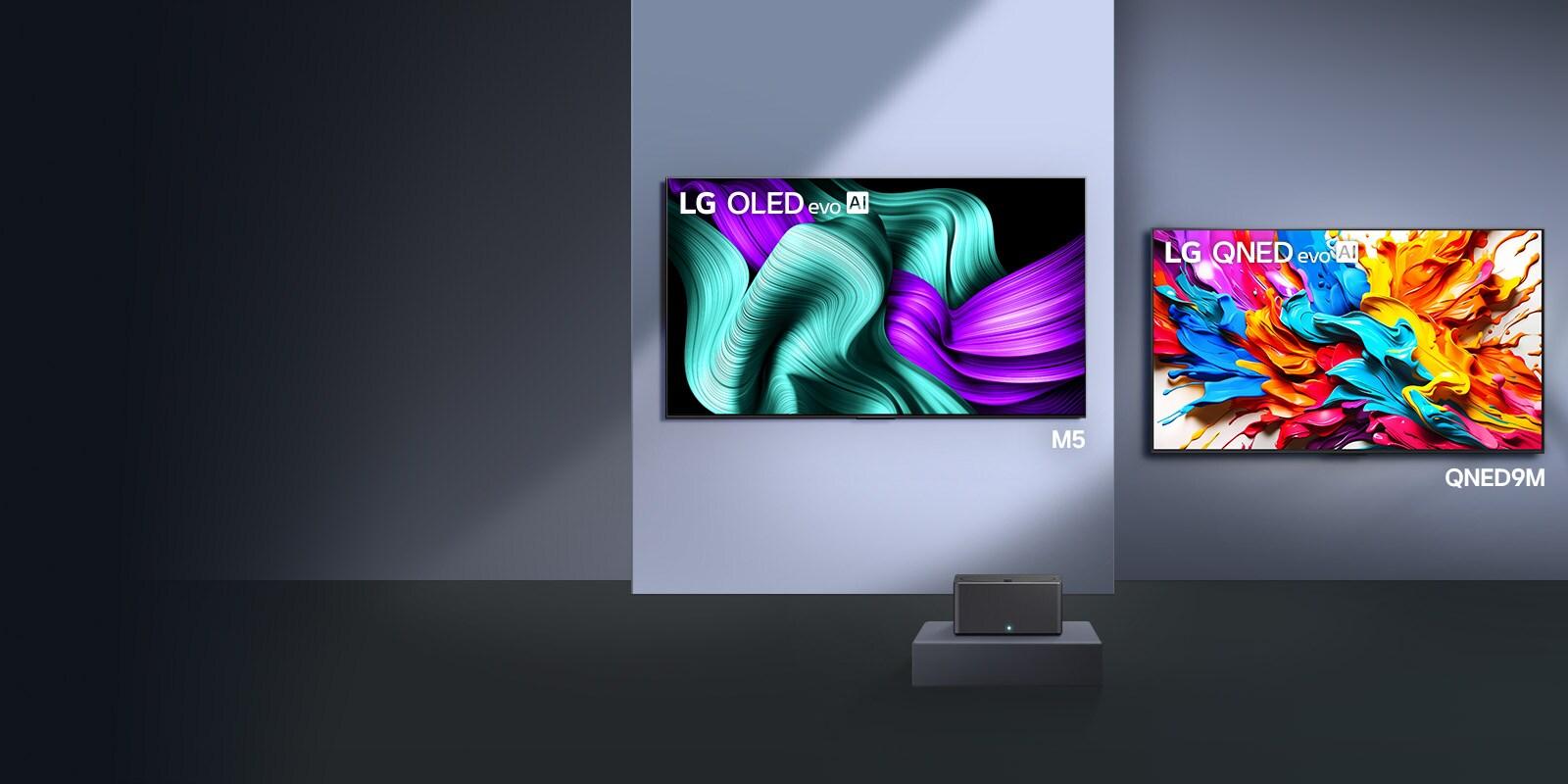
LG is particularly well known for its OLED television range. It also offers QNED televisions, which use LCD-based display technology with additional colour and backlighting enhancements.
LG OLED TVs
The LG OLED C series is a popular family to compare for a balance of film viewing, gaming, and everyday entertainment. The higher-end G series is worth exploring if you want a premium home cinema television with advanced picture features.
LG OLED models commonly offer features such as:
Self-lit pixels for deep blacks and strong contrast.
Support for modern HDR formats, depending on the model.
HDMI 2.1 features for compatible gaming devices.
High refresh rates on selected models.
webOS smart TV functionality.
These features make LG OLED televisions particularly attractive for movie enthusiasts and console gamers.
LG QNED TVs
LG QNED televisions provide an alternative for shoppers who want an LCD-based Smart TV. Depending on the series, they combine quantum dot and NanoCell technologies, with some models also using Mini LED backlighting.
They are worth comparing if you want a larger screen or a bright-room television without choosing OLED.
Which should you choose? LG OLED is a strong option for cinematic viewing and gaming, while LG QNED models offer alternatives across different sizes and budgets.
Best Sony TVs: OLED and LED Options
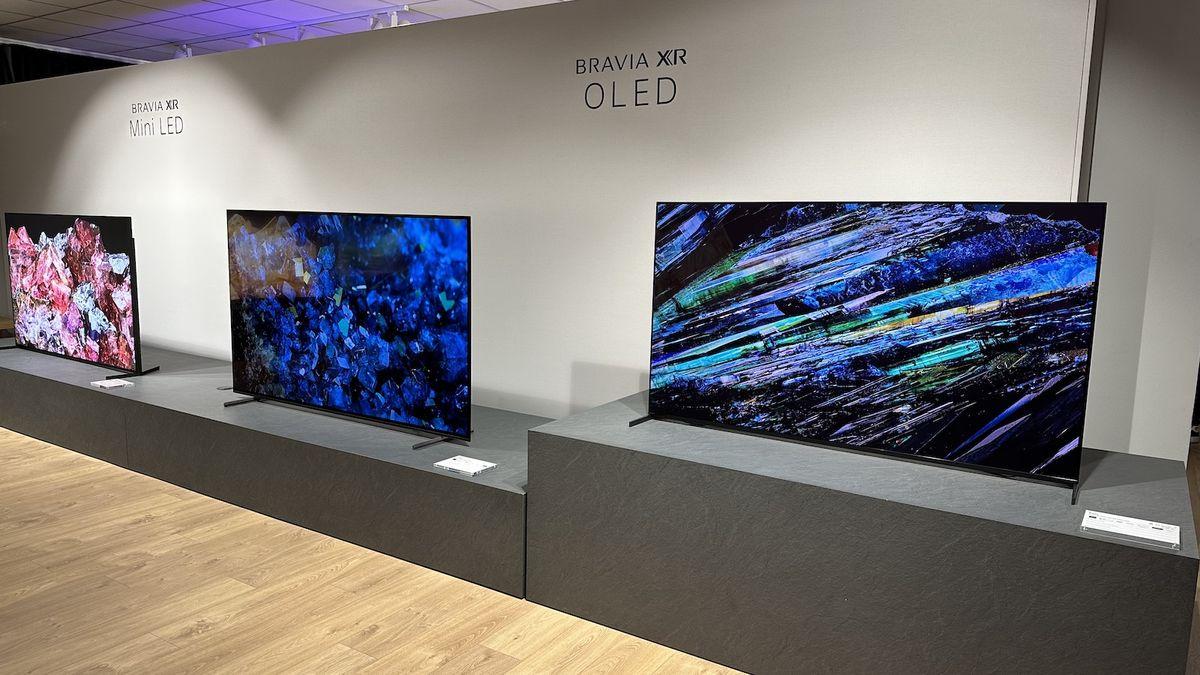
Sony offers televisions with a strong focus on picture processing, motion handling, and home entertainment. Its BRAVIA range includes OLED and LCD-based models, with features varying by series.
Sony BRAVIA OLED TVs
Sony BRAVIA OLED models are worth considering if you enjoy films and television shows and want excellent contrast with detailed picture processing.
The BRAVIA 8 family is one OLED range to explore. Depending on the model, features may include advanced picture processing, Google TV, and gaming support for compatible consoles.
Sony BRAVIA LED and Mini LED TVs
Sony's LED and Mini LED televisions offer alternatives for brighter rooms and different budgets. The BRAVIA 9 series is an example of a premium Mini LED range, designed to deliver high brightness and more precise backlight control.
These models can be particularly interesting for sports, daytime viewing, and large-screen entertainment.
Which should you choose? Explore Sony OLED if you prioritise film viewing and contrast. Consider BRAVIA Mini LED models if brightness and everyday versatility matter more.
Best TV Technology for Movies, Sports and Gaming
Your preferred entertainment should influence the display technology you choose. A television that works beautifully for films in a dark room may not necessarily be the best choice for a bright living room or competitive gaming.
Best TVs for Movies
OLED is often the preferred choice for movie enthusiasts because of its excellent black levels and contrast. Dark scenes, night-time sequences, and cinematic visuals can look particularly impressive.
Look for 4K resolution, HDR support, accurate colour reproduction, and good reflection handling. A suitable soundbar or home cinema system can further improve the experience.
Best TVs for Sports
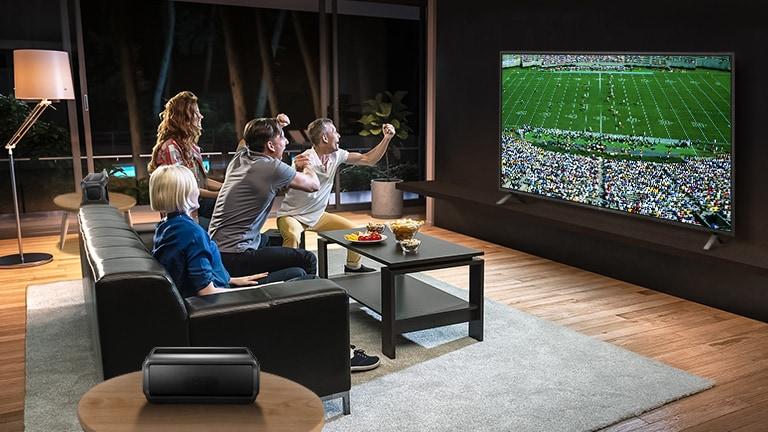
Sports broadcasts often involve fast movement, bright stadium lighting, and action across the entire screen. QLED and Mini LED televisions can be attractive because of their brightness, particularly in rooms with plenty of natural light.
For sports, also consider:
Refresh rate and motion handling.
Picture processing for fast-moving action.
Screen size and viewing distance.
Anti-reflection performance.
Wide viewing angles if several people watch together.
A high-quality OLED can also deliver excellent sports performance, so compare the motion features of individual models.
Best TVs for Gaming
Both OLED and QLED can be excellent for gaming. OLED offers fast pixel response and strong contrast, while premium QLED and Mini LED models can provide high brightness and large screen options.
Important gaming features include:
HDMI 2.1 connectivity.
4K resolution and high refresh rates.
Variable Refresh Rate (VRR).
Auto Low Latency Mode (ALLM).
FreeSync or G-SYNC compatibility, where supported.
If you regularly play games with static interface elements, consider OLED's burn-in precautions. For long gaming sessions in a bright room, a suitable QLED or Mini LED model may be a practical alternative.
How to Choose the Right Smart TV at expert
Once you understand the differences between OLED and QLED, compare individual televisions according to your room, budget, and entertainment preferences.
Choose the right screen size: Consider your seating distance and available wall or cabinet space.
Check resolution: 4K is a practical choice for most modern living rooms.
Compare brightness: Important if your television will be used in a bright room.
Review HDR support: Check compatibility with formats such as Dolby Vision and HDR10+.
Check gaming connectivity: Look for HDMI 2.1, VRR, and high refresh rate support if you use a modern console.
Consider smart features: Review the operating system, streaming applications, and voice-control options.
Compare sound quality: Check built-in audio specifications or consider a compatible soundbar.
At expert, you can explore televisions from Samsung, LG, Sony, and other manufacturers. Comparing specifications and available screen sizes can help you identify a model that fits your requirements.
Why Compare Smart TVs at expert?
expert is a useful destination for shoppers looking to compare televisions from established electronics manufacturers. Its range covers different screen technologies, sizes, and price categories, giving customers several options for home entertainment upgrades.
Reasons to explore expert include:
Multiple TV technologies: Compare OLED, QLED, Neo QLED, Mini LED, and conventional LED televisions.
Recognised manufacturers: Explore models from Samsung, LG, Sony, and other brands.
Different screen sizes: Find options for compact rooms, bedrooms, and larger living spaces.
Online shopping: Review product specifications and available offers from home.
Local specialist retailers: Check product availability and seek advice from participating expert stores.
Before purchasing, compare the specifications of the exact model and screen size. Features such as refresh rate, HDR compatibility, and HDMI connectivity can differ even within the same product family.
FAQs About OLED vs. QLED Smart TVs
Is OLED better than QLED?
OLED is generally better for deep blacks, contrast, and dark-room movie viewing. QLED can be better suited to bright rooms because many models offer high brightness. The best choice depends on the individual television and your viewing habits.
Which is better for gaming, OLED or QLED?
Both can be excellent. OLED offers fast pixel response and strong contrast, while premium QLED and Mini LED televisions can provide high brightness and large-screen gaming. Compare refresh rate, input lag, VRR, and HDMI 2.1 support.
Are Samsung TVs OLED or QLED?
Samsung offers both technologies. Its television range includes OLED, QLED, and Neo QLED models, with Neo QLED using Mini LED backlighting.
Does LG make QLED TVs?
LG offers QNED televisions, which use LCD-based display technology with enhanced colour reproduction and, on selected models, Mini LED backlighting. Its OLED range is also a major part of its television lineup.
Are Sony BRAVIA TVs OLED?
Some Sony BRAVIA televisions use OLED technology, while others use LED or Mini LED displays. Check the specifications of the individual model before purchasing.
Which Smart TV is best for a bright living room?
A bright QLED or Mini LED television can be a strong choice because of its high brightness. Reflection handling and screen coating are also important, so compare individual models.
Final Thoughts
Choosing between OLED and QLED comes down to how you watch television and the environment in which you use it. OLED is an excellent option for film enthusiasts and gamers who value deep blacks, contrast, and fast response. QLED and Mini LED televisions are worth considering for bright rooms, sports, and versatile everyday entertainment.
Samsung, LG, and Sony offer a range of Smart TVs across these technologies, so there is no single model that suits every household. Compare screen sizes, brightness, gaming features, and smart capabilities before making your decision.
Explore the television range at expert to compare OLED, QLED, and other Smart TV options and find a screen that makes your favourite films, sports, and games more enjoyable.

Written By
Samuel Green
Career Content Specialist — 10+ years covering recruitment and career development.