
This article contains affiliate links. If you purchase through these links, we may earn a commission at no additional cost to you. This helps support our website and allows us to continue creating free content. Our recommendations are based on our independent research and editorial standards.
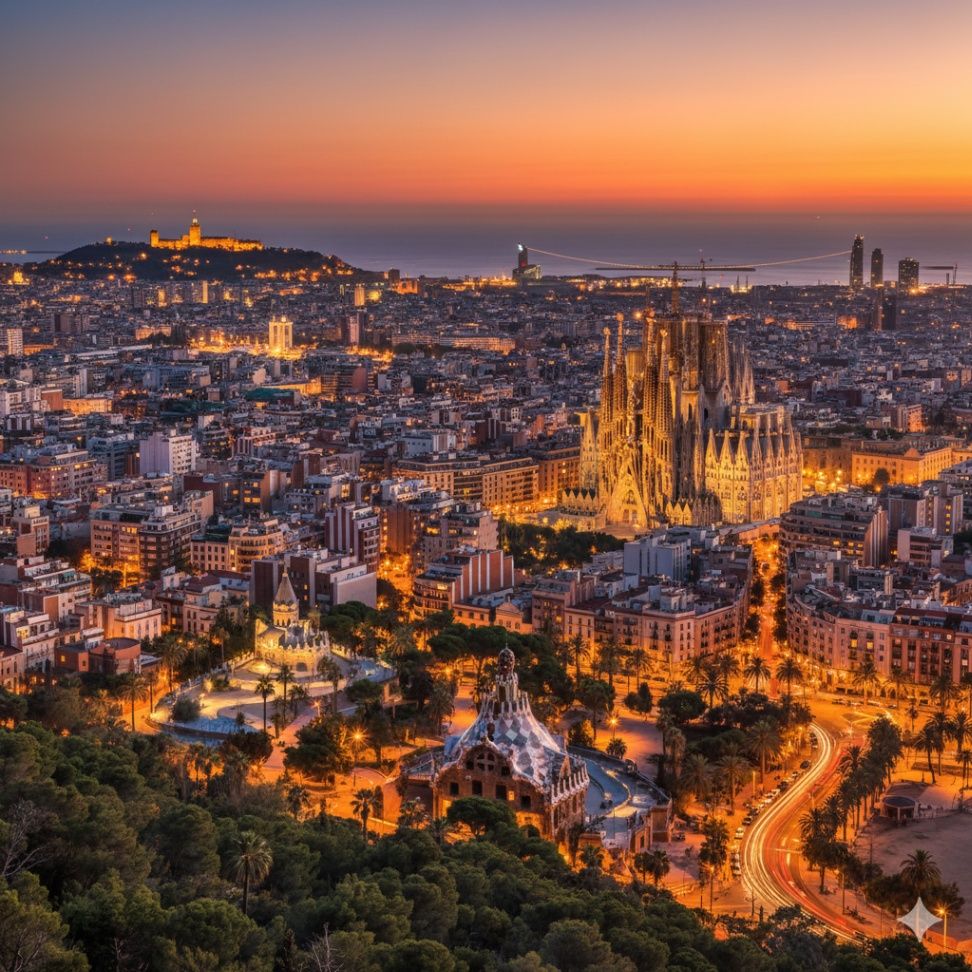
Imagine walking through a city where streetlights dim automatically when no one is around, buses arrive exactly when your app says they will, and public WiFi is available in parks, markets, and even on the beach. It might sound futuristic, but this is everyday life in parts of Barcelona.
When we talk about Smart Cities in Europe, we are talking about more than just technology. We are talking about a city that blends innovation with culture, sustainability, and real human needs. Barcelona is not trying to look like a sci fi movie. It is trying to make daily life smoother, greener, and more connected.
Let us explore how this vibrant Mediterranean city has become a benchmark for urban innovation.
Smart Cities in Europe: Barcelona Leading the Way
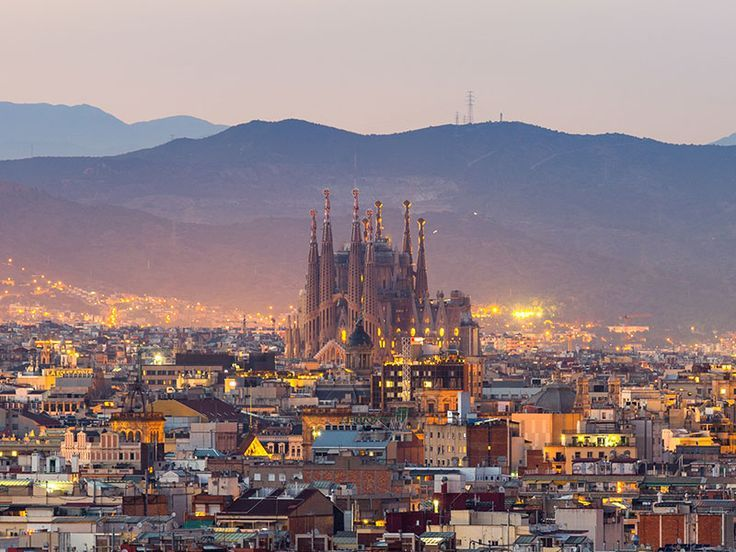
Barcelona has spent years investing in digital infrastructure and sustainable planning. What makes it stand out is how thoughtfully these systems are integrated into everyday life.
One of the most talked about initiatives is its smart lighting system. Streetlights are equipped with sensors that adjust brightness based on movement. If a street is empty, lights dim to save energy. When someone walks by, they brighten. This simple idea reduces electricity consumption and improves safety at the same time.
The city also uses smart parking technology. Sensors in parking spots detect availability and share real time data through apps. Instead of driving around in circles searching for a space, residents and visitors can quickly locate one nearby. This reduces traffic congestion and lowers pollution.
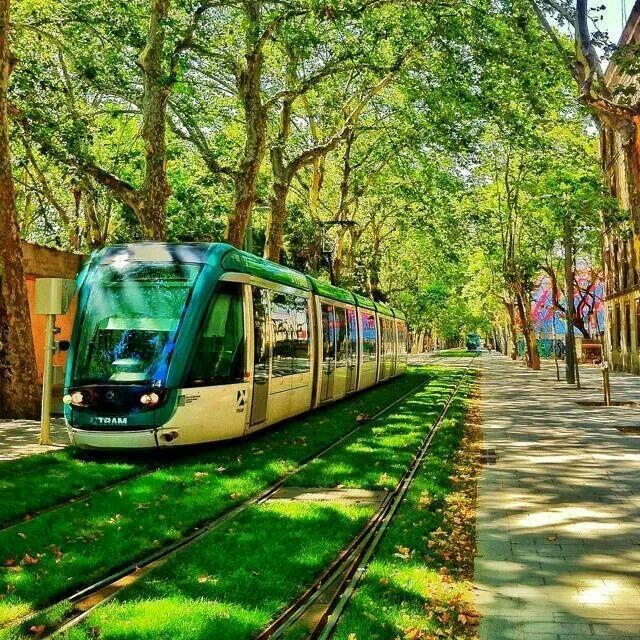
Public transport is another strong point. Barcelona has invested heavily in efficient buses, metro systems, and integrated ticketing. Digital screens display live updates, and mobile apps help commuters plan routes with precision. It feels seamless and surprisingly stress free for a major European city.
All of these efforts contribute to why Smart Cities in Europe has become such a widely discussed topic in urban planning circles.
Sustainability at the Core
Barcelona’s smart approach is not just about convenience. It is deeply connected to sustainability.
The city promotes renewable energy and energy efficient buildings. Solar panels are increasingly common on rooftops. Waste management systems are optimized with data, ensuring trash collection routes are efficient and timely.
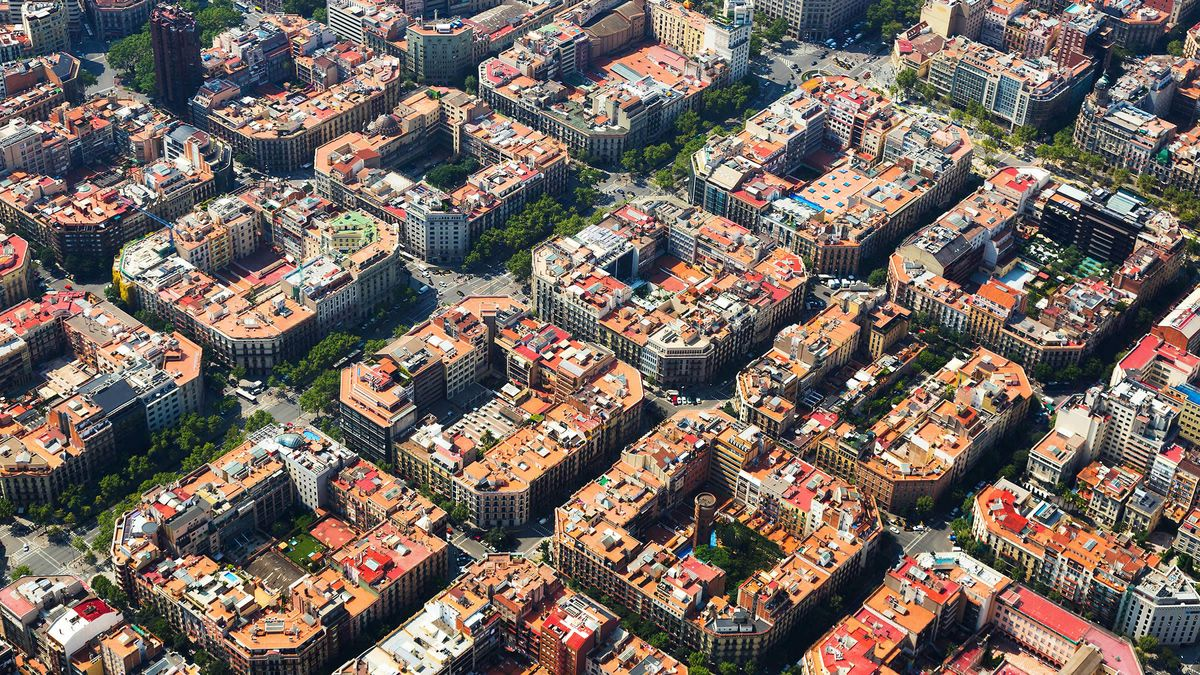
One of the most interesting urban concepts in Barcelona is the idea of superblocks. These are clusters of city blocks where traffic is limited and streets are redesigned for pedestrians and cyclists. Inside a superblock, you will find children playing, neighbors chatting, and small green spaces where cars once dominated.
Picture strolling through a calm, car free area in the middle of a busy city. You hear birds instead of engines. You see people enjoying outdoor cafés without constant traffic noise. That is smart urban design focused on quality of life.
Barcelona also monitors air quality through sensors placed across the city. This data helps officials make informed decisions about traffic restrictions and environmental policies. It is not just about collecting data. It is about using it to create a healthier city.
In the larger conversation about Smart Cities in Europe, sustainability is not an afterthought. It is the foundation.
Technology That Puts Citizens First
What truly makes Barcelona special is its people centered approach.
The city believes data belongs to citizens. Instead of using technology only for top down control, Barcelona encourages transparency and participation. Residents can access public data and contribute ideas for improving neighborhoods.
There are digital platforms where locals can vote on community projects or suggest improvements. This sense of involvement builds trust. People feel like they are part of the transformation, not just passive observers.
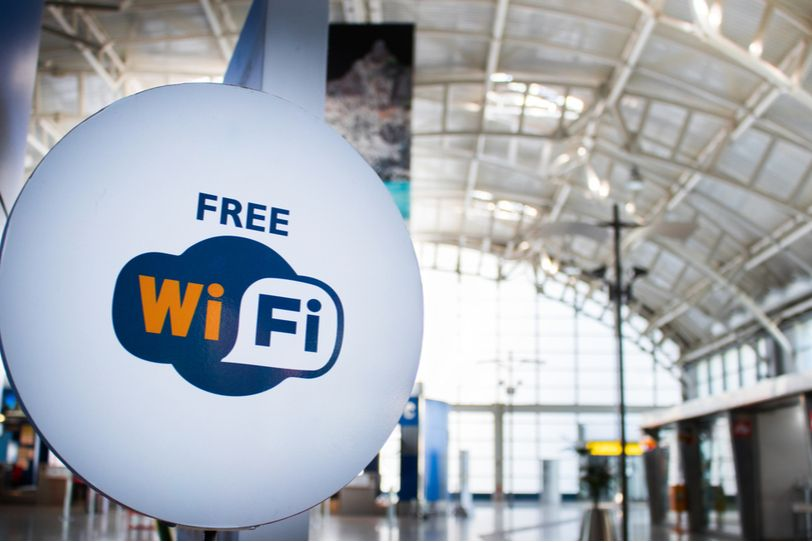
Free public WiFi is available in many areas, making connectivity accessible. For tourists, this is incredibly helpful. For residents, it supports digital inclusion and equal opportunities.
Barcelona also supports innovation through partnerships with startups and universities. The city has become a hub for tech entrepreneurs who want to test new solutions in a real urban environment. From smart mobility apps to energy saving technologies, innovation is constantly evolving.
It is this balance of advanced technology and human values that keeps Barcelona ahead in discussions about Smart Cities in Europe.
What Other Cities Can Learn
Barcelona is not perfect. Like any major city, it faces challenges such as housing costs and tourism pressure. But its smart city strategy offers valuable lessons.
First, start with real problems. Barcelona focused on traffic, pollution, and energy use. Technology was used as a tool, not as a gimmick.
Second, think long term. Smart infrastructure requires planning, investment, and patience. Barcelona’s progress did not happen overnight.
Third, involve citizens. When people feel heard and included, they are more likely to support change.
If you ever visit Barcelona, look beyond the famous architecture and beaches. Notice the small details. The smart bus stops. The quiet superblocks. The efficient public services. These elements might not be as visually dramatic as a landmark, but they shape daily life in powerful ways.
Smart cities are not about robots or flying cars. They are about making urban living more comfortable, sustainable, and inclusive.
And right now, when we talk about Smart Cities in Europe, we are talking about a city that proves innovation and culture can grow side by side. Barcelona shows that the future of cities does not have to feel cold or mechanical. It can feel warm, livable, and beautifully human.
Written By