
This article contains affiliate links. If you purchase through these links, we may earn a commission at no additional cost to you. This helps support our website and allows us to continue creating free content. Our recommendations are based on our independent research and editorial standards.
Imagine you are living in a city where the flow of traffic is smooth, the lights on the streets are adjusted automatically, and the management of garbage disposal is efficient, all at the tip of your phone. Sounds like science fiction, right? But trust me, it’s already becoming a reality as we move towards the year 2026.
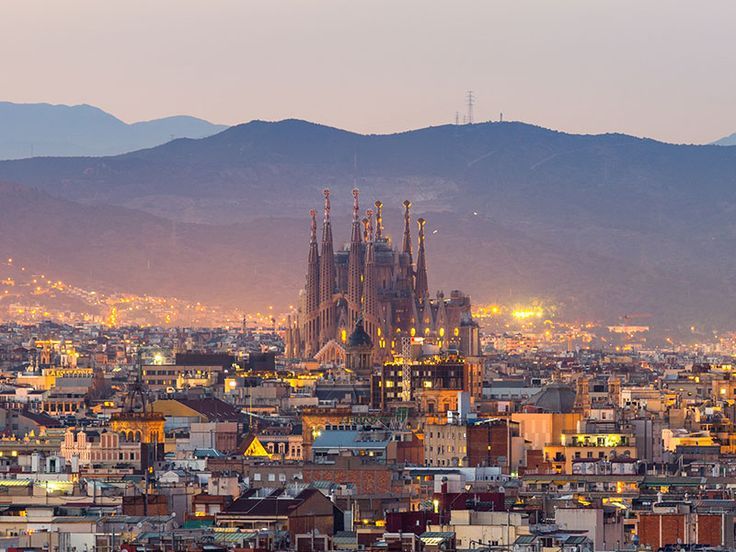
These are smart cities, and when we talk about smart cities, there’s one city in Europe that truly excels at it: Barcelona.
Let’s break it down in a simple way and see what smart cities are all about.
What Are Smart Cities and How Is Barcelona Leading the Way?

A smart city uses technology and data to improve the quality of life for its residents.
This includes everything from managing traffic and energy use to improving public safety and making government services more accessible. The goal is simple
Make cities more efficient, sustainable, and people friendly.
In 2026, Barcelona is one of the best examples of this concept in action. It has successfully combined technology with urban planning to create a city that feels both modern and livable.
What Makes a City “Smart”
To appreciate what makes Barcelona a smart city, we need to begin by understanding what a smart city is.
A smart city is typically built on a few key areas.
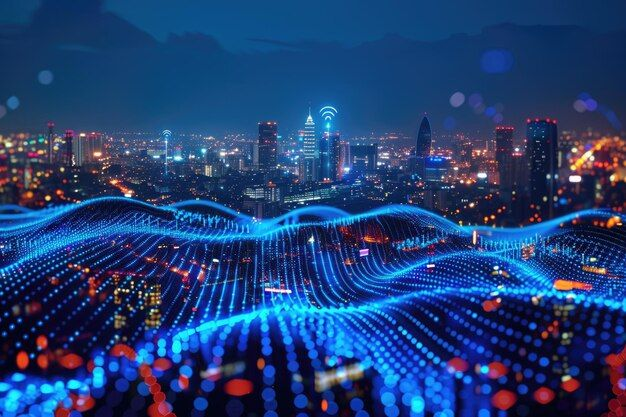
Connectivity is one area. Smart cities are characterized by high-speed internet connectivity that enables communication between different systems and sharing of data in real-time.
Data-driven decision-making is another area. Smart cities are characterized by data collection mechanisms that enable better management of traffic, energy, and other factors.
Sustainability is a key area in smart cities. Smart cities are built to be sustainable, meaning they are built to conserve energy, reduce pollution, and promote a green lifestyle.
Finally, smart cities are built for the citizen. Technology is deployed to improve the citizen experience.
Barcelona’s Smart City Innovations
Barcelona has taken these ideas and turned them into real, visible changes across the city.
One of its most famous innovations is the use of smart sensors. These sensors are placed across the city to monitor things like traffic, air quality, and even parking spaces.
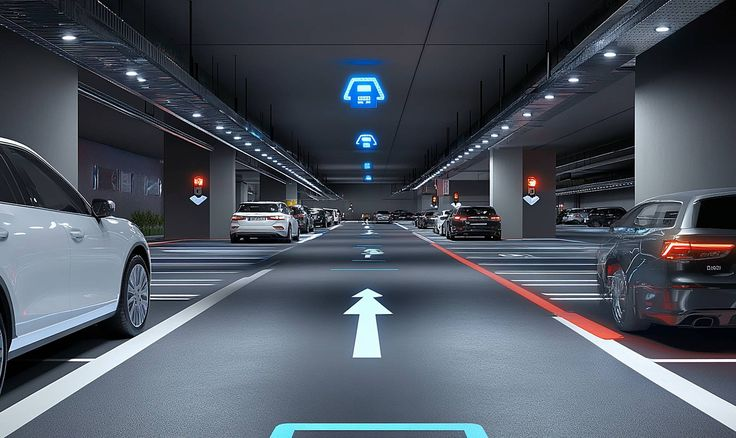
For example, smart parking systems guide drivers to available spots, reducing time spent searching and lowering traffic congestion.
The city has also introduced intelligent street lighting. Lights automatically adjust based on movement and time of day, saving energy while maintaining safety.
Waste management is another area where Barcelona shines. Smart bins notify collection services when they are full, making the system more efficient and reducing unnecessary trips.
A Leader in Sustainable Urban Living
Barcelona is not only smart; it is also sustainable.
Renewable energy and green infrastructure have been heavily invested in. Solar panels have been incorporated, and there is a focus on reducing carbon emissions.
The city’s public transport system is also effective and eco-friendly, encouraging residents to use fewer cars.
Barcelona has also adopted the idea of “superblocks,” which involves designing specific areas to minimize traffic and focus on pedestrians and cyclists.
This not only promotes cleaner air, but it also opens up space for activities and social interactions.
Digital Services That Make Life Easier

One of the most noticeable benefits of living in a smart city like Barcelona is convenience.
Residents can access a wide range of digital services, from paying utility bills to reporting local issues through mobile apps.
Government services are becoming faster and more transparent, reducing paperwork and saving time.
Even tourists benefit from these innovations, with easy access to information, navigation tools, and smart transport systems.
How Barcelona Balances Technology and Lifestyle
What is special about Barcelona is that it has managed to strike a balance between technology and lifestyle.
Despite all this technology, Barcelona has still managed to remain a charming place to be in. You can still enjoy a relaxed café culture, beautiful architecture, and street life.
The technology in Barcelona is not overwhelming, as it works in the background to improve our lives without compromising human interaction. This is what most cities are trying to achieve, and Barcelona has done it perfectly.
Why Barcelona Is a Global Example
Barcelona’s approach to smart city development has made it a global role model.
Cities around the world are studying its systems and trying to replicate its success.
What sets Barcelona apart is its focus on people. Technology is not used just for the sake of innovation, but to solve real problems and improve everyday experiences.
This human centered approach is what makes its smart city model so effective.
The Future of Smart Cities
Looking into the future, we can say that smart cities will only become more common.
Thanks to advances in artificial intelligence, data analysis, and connectivity, we can expect cities to become more efficient in the years to come.
Barcelona is laying the ground for a bright future ahead, proving that we can achieve a balance between technology, sustainability, and lifestyle.
As more and more cities follow in Barcelona’s footsteps, we can expect to see a bright and smart future ahead for all city dwellers.
Summary
A smart city is a city that uses technology to improve the lifestyle of residents. It is more efficient, sustainable, and convenient. Barcelona is a smart city in 2026. It uses smart sensors, intelligent streetlights, efficient waste management, and digital services for residents. It is a city that combines technology and sustainability to improve lifestyle.
FAQs
1. What is a smart city?
A smart city uses technology and data to improve services, reduce waste, and enhance the quality of life for residents.
2. Why is Barcelona considered a smart city?
Barcelona uses smart technologies like sensors, digital services, and sustainable infrastructure to improve urban living.
3. What are smart sensors in cities?
They are devices that collect data on traffic, air quality, and other factors to help manage city operations efficiently.
4. How do smart cities help the environment?
They reduce energy consumption, lower emissions, and promote sustainable practices.
5. Will more cities become smart in the future?
Yes, with growing technology and urban challenges, more cities are expected to adopt smart systems.
Written By