
This article contains affiliate links. If you purchase through these links, we may earn a commission at no additional cost to you. This helps support our website and allows us to continue creating free content. Our recommendations are based on our independent research and editorial standards.
If you think cybersecurity is just about antivirus software and strong passwords, 2026 will definitely surprise you. The digital world is evolving fast, and so are cyber threats.
From AI powered attacks to smarter defense systems, cybersecurity today feels like a constant race between attackers and defenders. And honestly, it is getting more intense every year.
So if you are wondering what are the latest cybersecurity trends, let’s break it down in a simple, real world way so you can actually understand what is happening behind the scenes.
What Are the Latest Cybersecurity Trends?
The latest cybersecurity trends in 2026 include AI driven attacks and defenses, Zero Trust security models, rise of ransomware as a service, identity based attacks, cloud security challenges, and stricter regulations.
These trends are shaping how businesses and individuals protect their data in an increasingly digital world.
Let’s explore them one by one.
AI Is Changing Both Attacks and Defense
Artificial Intelligence is the biggest game changer in cybersecurity right now.
Hackers are using AI to create faster, smarter, and more targeted attacks. For example, AI can generate highly convincing phishing emails or automatically find system vulnerabilities.
At the same time, companies are also using AI to defend themselves.
Security systems now use AI to:
Detect unusual behavior
Predict potential threats
Automate responses to attacks
This creates what experts call an “AI arms race” between attackers and defenders.
In fact, reports show a massive increase in AI enabled cyberattacks, making this one of the most important trends in 2026.
Zero Trust Security Is Becoming the Standard
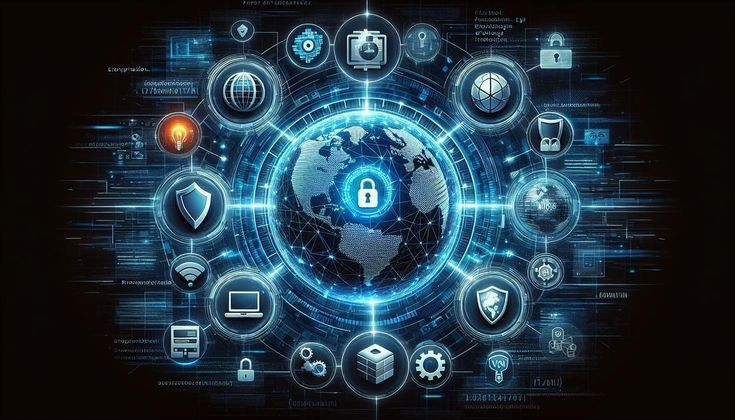
Another major shift is the move toward Zero Trust security.
Earlier, systems assumed that users inside a network could be trusted. But that approach no longer works.
Zero Trust means:
No user or device is trusted automatically
Every access request is verified
Continuous monitoring is required
This model is especially important as more people work remotely and use cloud systems.
In 2026, Zero Trust and identity based security are becoming essential for preventing breaches.
Ransomware Is Evolving Into a Business Model

Ransomware attacks are not new, but they are becoming more organized and dangerous.
Today, cybercriminals offer something called Ransomware as a Service.
This means:
Hackers create ransomware tools
Others can buy or rent them
Even non experts can launch attacks
Some attacks now use “triple extortion,” where attackers:
Lock your data
Steal your data
Threaten to leak it
This makes ransomware one of the biggest cybersecurity threats today.
Identity Has Become the New Security Perimeter
Here is something surprising
Most cyberattacks today do not “hack in.” They simply log in.
Hackers steal login credentials and access systems as if they were legitimate users.
This is why identity based attacks are rising rapidly.
In fact, a large percentage of breaches now involve compromised credentials rather than traditional hacking methods.
As a result, companies are focusing more on:
Multi factor authentication
Passwordless systems
Identity management tools
Cloud Security Is More Important Than Ever
As businesses move to the cloud, new security challenges are emerging.
Cloud systems are flexible and scalable, but they also create risks like:
Misconfigured settings
Weak access controls
Data leaks
In 2026, cybersecurity strategies are shifting toward cloud native security and continuous monitoring.
Organizations are also adopting identity driven controls to protect cloud environments more effectively.
Cyberattacks Are Getting Faster and More Automated
One of the most alarming trends is speed.
Cyberattacks that used to take days now happen in minutes.
For example, the average time for attackers to move within a system after gaining access has dropped significantly, showing how fast threats are evolving.
Automation is playing a big role here.
Hackers use automated tools to:
Scan systems continuously
Launch attacks instantly
Adapt strategies in real time
This makes traditional security methods less effective.
Supply Chain Attacks Are Increasing
Another growing concern is supply chain attacks.
Instead of attacking a company directly, hackers target third party vendors or software providers.
Once they gain access, they can affect multiple organizations at once.
This type of attack is becoming more common because it offers a larger impact with less effort.
Businesses are now focusing on securing not just their systems, but also their partners and vendors.
Regulations and Cyber Laws Are Getting Stricter
Governments around the world are taking cybersecurity more seriously.
New regulations are forcing companies to:
Protect user data
Report cyber incidents
Follow strict compliance rules
Global cooperation is also increasing through initiatives like international cybercrime agreements.
This means cybersecurity is no longer just an IT issue
it is a business and legal priority.
Real World Risks Are Growing
Cybersecurity is not just about data anymore. It is about real world impact.
Recent developments show how cyberattacks can:
Disrupt businesses
Affect supply chains
Target critical infrastructure
There are even concerns about AI driven attacks targeting systems like satellites and communication networks in the near future.
This shows how serious cybersecurity has become globally.
Why These Trends Matter to You
You might be thinking
this sounds like something only big companies need to worry about.
But that is not true.
These trends affect everyone.
From phishing emails to data leaks, individuals are just as vulnerable as businesses.
Simple steps like:
Using strong passwords
Enabling two factor authentication
Avoiding suspicious links
can make a big difference.
The Future of Cybersecurity
Looking ahead, cybersecurity will become even more advanced.
We can expect:
More AI driven defense systems
Stronger identity based security
Greater focus on privacy and data protection
Increased global collaboration
But at the same time, cyber threats will continue to evolve.
It is a constant race, and staying informed is the best way to stay protected.
Summary
In 2026, the latest cybersecurity trends include AI driven attacks and defenses, Zero Trust security models, evolving ransomware strategies, identity based threats, and growing cloud security challenges. Cyberattacks are becoming faster and more sophisticated, while governments are introducing stricter regulations. As digital risks increase, both businesses and individuals must adopt stronger and smarter security practices.
FAQs
1. What is the biggest cybersecurity trend in 2026?
AI driven attacks and defenses are the most significant trend.
2. What is Zero Trust security?
It is a model where no user or device is trusted without verification.
3. Why is ransomware increasing?
Because it has become a profitable business model for cybercriminals.
4. Are cloud systems safe?
Yes, but they require proper security measures and monitoring.
5. How can individuals stay safe online?
By using strong passwords, enabling two factor authentication, and avoiding suspicious links.
Written By