This article contains affiliate links. If you purchase through these links, we may earn a commission at no additional cost to you. This helps support our website and allows us to continue creating free content. Our recommendations are based on our independent research and editorial standards.
If there is one thing Europe is getting serious about in 2026, it is sustainability. From wind farms stretching across coastlines to cities running on clean energy, the continent is going through a major green transformation.
But here is what makes it interesting. Not all countries are moving at the same pace. Some are clearly leading the way, setting examples for the rest of the world.
So if you are wondering which European countries lead in green technology in 2026, let’s take a closer look at the nations that are shaping the future of clean energy and sustainable innovation.
Which European Countries Lead in Green Technology in 2026?
In 2026, countries like Denmark, Germany, Sweden, Finland, Spain, Portugal, the Netherlands, and Austria stand out as leaders in green technology.
These countries are not just adopting renewable energy. They are innovating, investing, and building systems that reduce carbon emissions while supporting economic growth.
Across the European Union, renewable energy has already reached nearly 50 percent of electricity generation, with wind and solar overtaking fossil fuels for the first time.
Let’s explore what makes each of these countries stand out.
Denmark Leading the Wind Energy Revolution
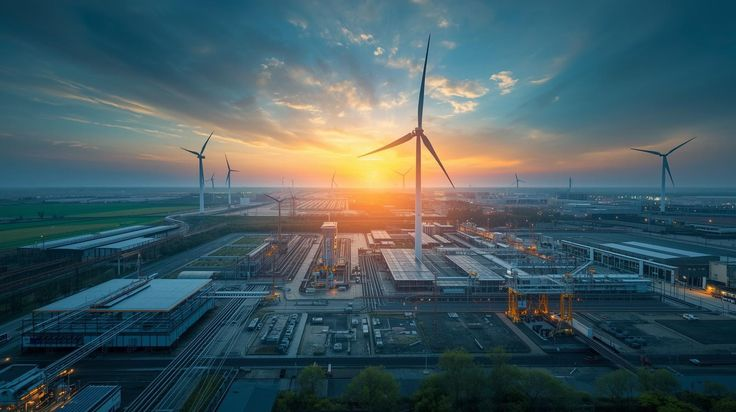
Denmark has long been a global leader in renewable energy, especially wind power.
The country is known for its massive offshore wind farms and strong focus on clean energy innovation. It is also home to companies like Vestas and Ørsted, which are shaping the global wind industry.
Denmark is working toward 100 percent renewable electricity and continues to invest heavily in solar and district heating systems.
What makes Denmark unique is its ability to combine innovation with practical implementation. Clean energy is not just a goal here, it is part of everyday life.
Germany Driving Industrial Green Innovation
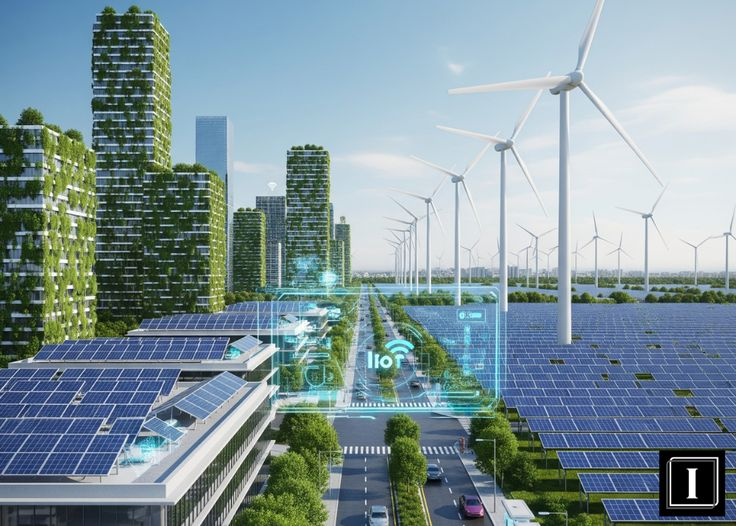
Germany plays a huge role in Europe’s green technology landscape.
It is a leader in renewable energy, electric mobility, and green manufacturing. The country is installing solar panels at an incredible pace and aims to reach 80 percent renewable electricity by 2030.
Germany’s strength lies in its industrial base. Instead of just producing energy, it is transforming entire industries to become more sustainable.
From electric vehicles to green hydrogen, Germany is pushing large scale innovation that impacts the global market.
Sweden and Finland Setting Sustainability Benchmarks
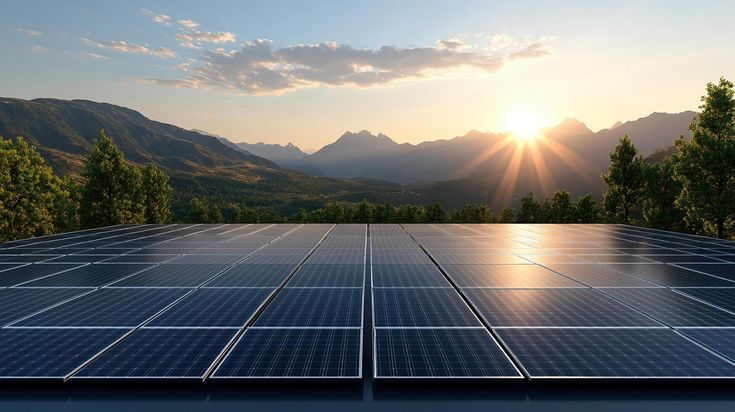
Northern Europe is dominating sustainability rankings in 2026.
Finland ranks first globally in sustainable development, followed closely by Sweden and Denmark.
Sweden is a leader in wind energy and clean electricity, with a significant share of its power coming from renewables.
Finland, on the other hand, focuses on smart energy systems, circular economy models, and sustainable urban planning.
What makes these countries stand out is their balanced approach. They are not just focusing on energy but also on lifestyle, policy, and long term sustainability goals.
Spain and Portugal Accelerating Renewable Energy Growth
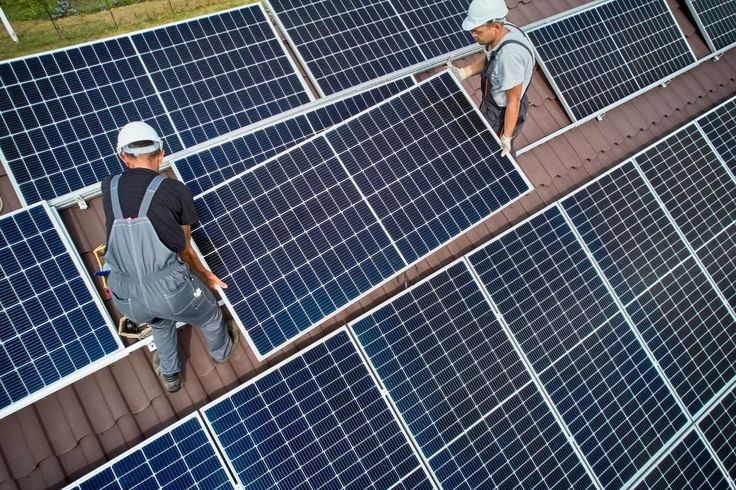
Southern Europe is also stepping up in a big way.
Spain has become one of the fastest growing renewable energy markets, with a strong focus on wind and solar power. In fact, its renewable capacity has reached over 50 percent, helping reduce reliance on fossil fuels.
Portugal is another standout, already generating more than 75 percent of its electricity from renewable sources and aiming for even higher targets.
These countries benefit from abundant sunlight and favorable conditions for solar energy, making them key players in Europe’s green transition.
The Netherlands Leading in Smart Energy and Offshore Wind
The Netherlands is making major progress in offshore wind energy and smart infrastructure.
Its location near the North Sea makes it ideal for wind farms, and the country plans to significantly expand its offshore wind capacity in the coming years.
At the same time, the Netherlands is investing in smart grids, energy storage, and sustainable urban solutions.
This combination of technology and infrastructure makes it one of the most innovative green economies in Europe.
Austria A Quiet Leader in Renewable Electricity
Austria may not always be in the spotlight, but it is one of the strongest performers in renewable energy.
The country generates nearly 90 percent of its electricity from renewable sources, mainly through hydropower.
This makes Austria one of the cleanest energy systems in Europe.
Its success shows that natural resources, when used efficiently, can play a major role in sustainability.
Why These Countries Are Leading
So what do these countries have in common?
First, strong government policies. European nations are backed by ambitious climate goals and regulations that push industries toward sustainability.
Second, investment in innovation. From green hydrogen to smart energy systems, these countries are constantly developing new technologies.
Third, public awareness. People are more conscious about sustainability, which drives demand for eco friendly solutions.
And finally, collaboration. The European Union itself plays a big role by funding research and setting continent wide targets for clean energy and emissions reduction.
The Bigger Picture Europe as a Global Green Leader
Europe as a whole is becoming a global leader in green technology.
The continent is not only reducing emissions but also exporting green solutions to the rest of the world.
From renewable energy companies to sustainable infrastructure projects, European innovation is influencing global markets.
Even during energy crises, countries with strong renewable systems like Spain and France have shown more stability compared to those relying heavily on fossil fuels.
This highlights the long term benefits of investing in green technology.
What This Means for the Future
Looking ahead, these leading countries will continue to shape the future of sustainability.
We can expect more advancements in areas like:
Green hydrogen
Electric mobility
Smart cities
Circular economy systems
As technology evolves, these innovations will become more accessible, allowing other countries to follow similar paths.
In many ways, Europe is setting the blueprint for a greener future.
Summary
In 2026, countries like Denmark, Germany, Sweden, Finland, Spain, Portugal, the Netherlands, and Austria are leading in green technology. They stand out for their strong renewable energy systems, innovative technologies, and commitment to sustainability. With wind, solar, hydropower, and smart energy solutions driving progress, Europe continues to position itself as a global leader in the transition to a greener future.
FAQs
1. Which European country is the most advanced in green technology?
Countries like Denmark and Germany are among the most advanced, especially in wind energy and industrial innovation.
2. Which country uses the most renewable energy in Europe?
Austria has one of the highest shares, generating nearly 90 percent of its electricity from renewable sources.
3. Why is Northern Europe leading in sustainability?
Countries like Finland and Sweden have strong policies, innovation systems, and public awareness supporting sustainability.
4. Is Europe a global leader in green technology?
Yes, Europe is one of the leading regions globally in renewable energy and clean technology innovation.
5. What technologies are driving green growth in Europe?
Wind energy, solar power, green hydrogen, electric vehicles, and smart energy systems are key drivers.
Written By