

This article contains affiliate links. If you purchase through these links, we may earn a commission at no additional cost to you. This helps support our website and allows us to continue creating free content. Our recommendations are based on our independent research and editorial standards.
A ferry journey opens the door to some of Europe's most memorable coastal destinations, often allowing you to arrive closer to the heart of your holiday than air travel. Whether you're planning a relaxing seaside escape, a family road trip or a multi-generational holiday, Direct Ferries makes it easier to compare international ferry routes from numerous operators in one place. From the rugged coastline of Ireland to the sandy beaches of northern Spain and the historic ports of France, ferry travel offers a flexible way to discover destinations where the coast is as much a part of the experience as the attractions themselves.
For UK travellers who enjoy travelling with their own vehicle or simply prefer a slower start to their holiday, coastal ferry destinations provide a rewarding alternative to airport travel.
Why choose a coastal holiday by ferry?

Coastal holidays remain popular because they appeal to travellers of all ages.
Children can enjoy beaches and seaside activities, parents often appreciate the relaxed pace, while grandparents may enjoy scenic promenades, waterfront cafés and historic harbours.
Travelling by ferry also allows many families to:
Bring their own vehicle.
Pack more luggage.
Carry bicycles or outdoor equipment.
Travel with children's essentials more easily.
Explore several coastal towns during one holiday.
Rather than staying in a single resort, many travellers use coastal destinations as the starting point for wider regional tours.
How Direct Ferries helps simplify travel planning
Direct Ferries is an online ferry comparison and booking platform that enables travellers to search routes operated by multiple ferry companies.
Instead of checking several operators individually, travellers can compare:
Ferry routes
Sailing schedules
Journey durations
Ticket options
Passenger and vehicle travel
Cabin availability on applicable routes
This makes planning coastal holidays considerably more straightforward, particularly when there are several available crossings.
Normandy, France: History meets the seaside
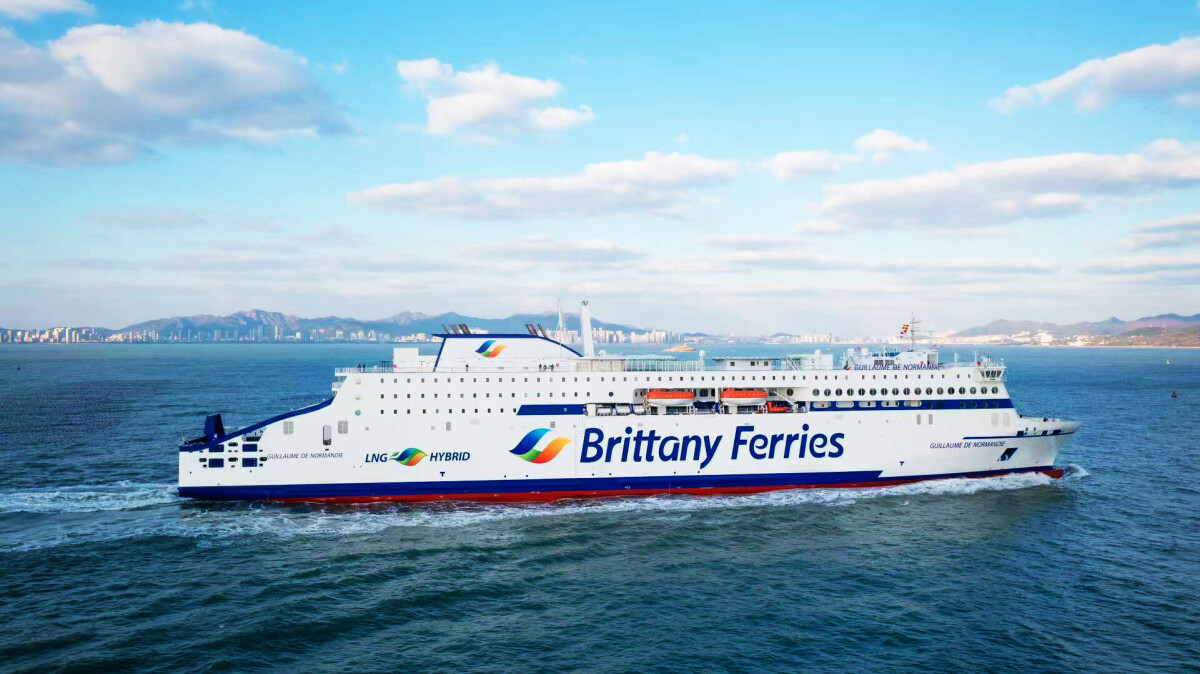
Normandy is often one of the first regions UK travellers reach after crossing the English Channel.
Its coastline combines long sandy beaches with picturesque fishing ports and dramatic cliffs, while inland attractions include historic towns, gardens and countryside.
For families travelling together, Normandy offers a good balance of:
Beach days
Coastal walks
Museums
Local markets
Family-friendly accommodation
Scenic driving routes
Because many ferry crossings arrive relatively close to the region, travelling onward is often straightforward.
Brittany, France: Relaxed coastal escapes
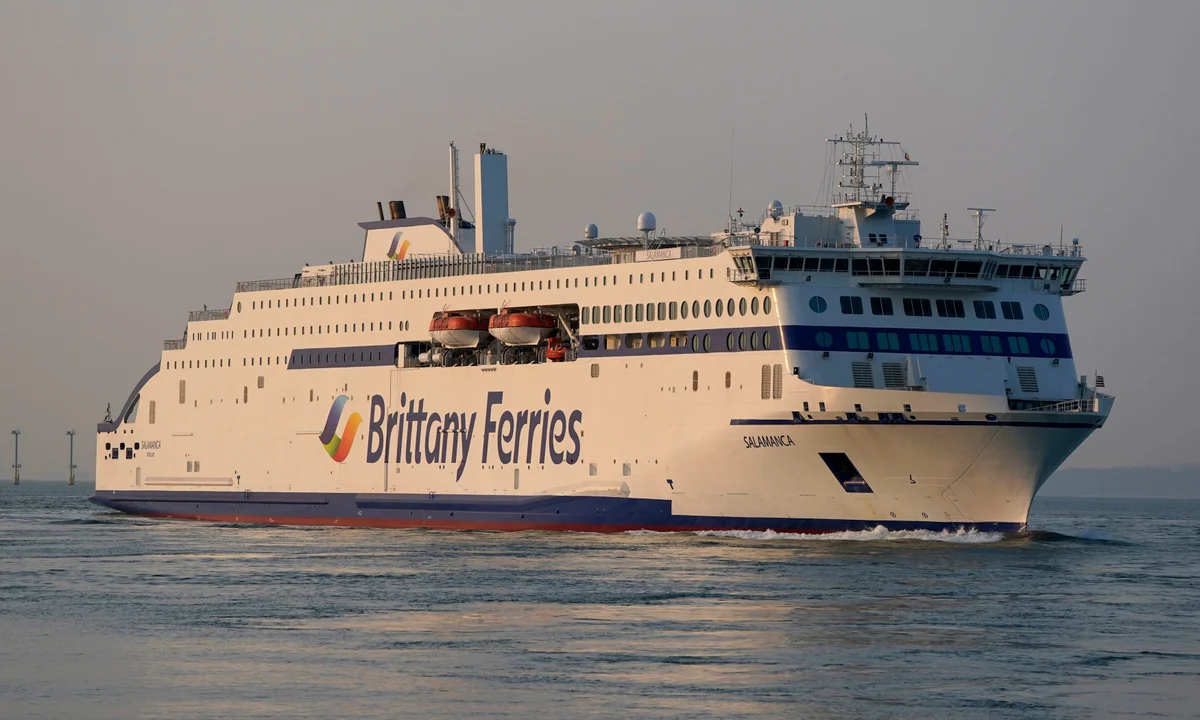
Brittany has a distinct character, shaped by its maritime heritage and rugged Atlantic coastline.
Visitors can spend their days exploring traditional harbours, small islands, sandy coves and seafood restaurants while enjoying a slower pace than some busier Mediterranean resorts.
Multi-generational families often appreciate Brittany because it offers activities suitable for different interests, from beach holidays to walking trails and cultural attractions.
Self-catering cottages and holiday parks are also widely available throughout the region.
Northern Spain: Atlantic scenery and road trips

Northern Spain offers a different coastal experience from the country's southern beach resorts.
The coastline features green hills, dramatic cliffs, fishing villages and elegant seaside cities.
Many travellers choose ferry crossings to northern Spain because they can continue their journey by car through regions such as Galicia, Asturias or the Basque Country.
This type of holiday suits travellers who enjoy combining:
Coastal drives
Local food markets
Nature reserves
Historic towns
Quiet beaches
Longer ferry crossings may also appeal to those who prefer avoiding airport transfers and luggage restrictions.
Ireland's Wild Atlantic coast
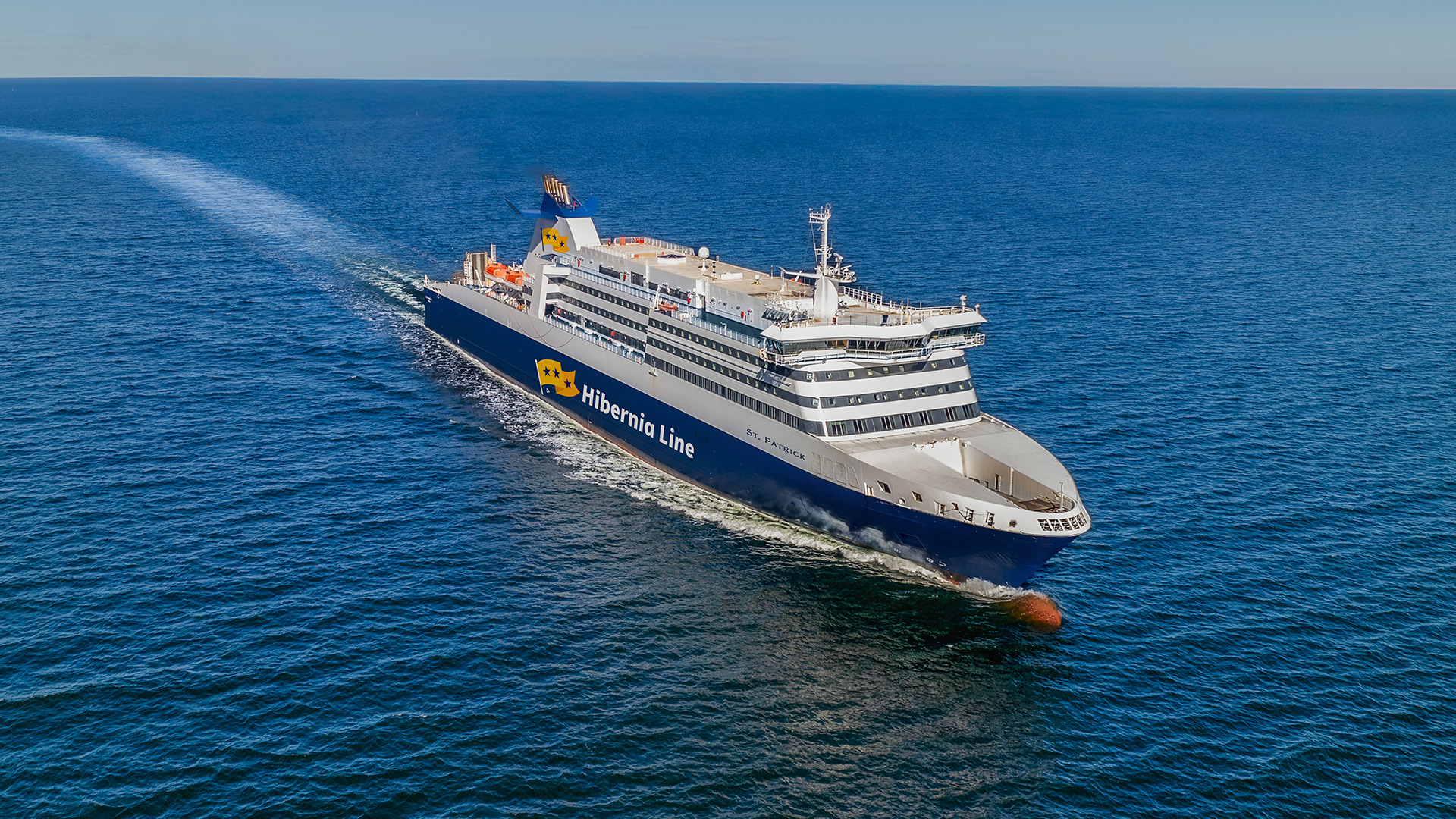
Ireland's western coastline is among Europe's most scenic driving destinations.
Stretching for hundreds of kilometres, it combines rugged cliffs, sandy beaches and colourful villages.
Families can easily combine coastal sightseeing with inland attractions including castles, national parks and cultural centres.
For grandparents travelling with younger family members, Ireland offers manageable driving distances between many attractions, allowing for a comfortable pace throughout the holiday.
The Netherlands: Coastal towns beyond Amsterdam
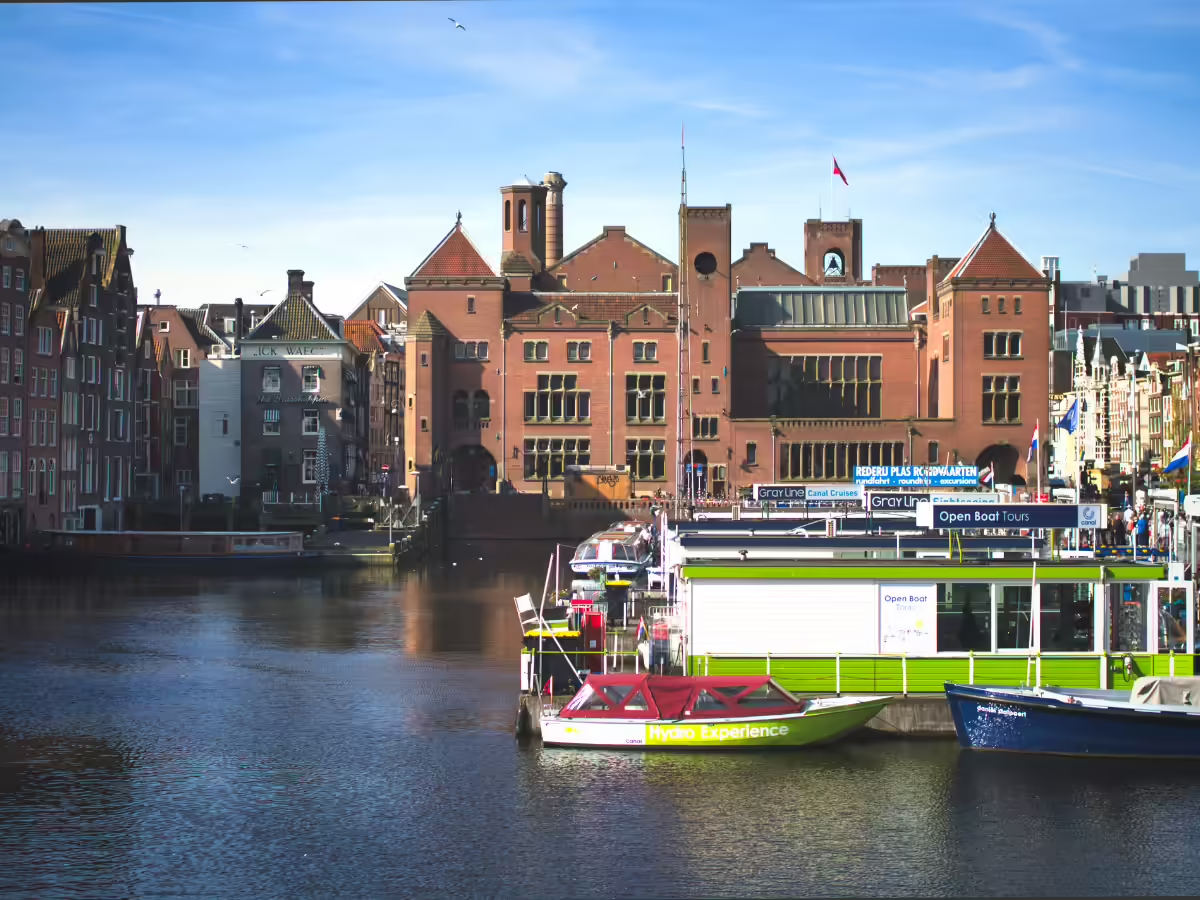
Although many visitors head directly to Amsterdam, the Dutch coastline deserves equal attention.
The North Sea coast offers wide beaches, traditional seaside resorts and cycling routes suitable for all ages.
Families can divide their holiday between coastal relaxation and visits to nearby cities, museums and nature reserves.
Travelling by ferry with your own vehicle also makes it easier to explore smaller towns that are less frequently included in standard holiday itineraries.
The Greek Islands: Coastal beauty at every stop
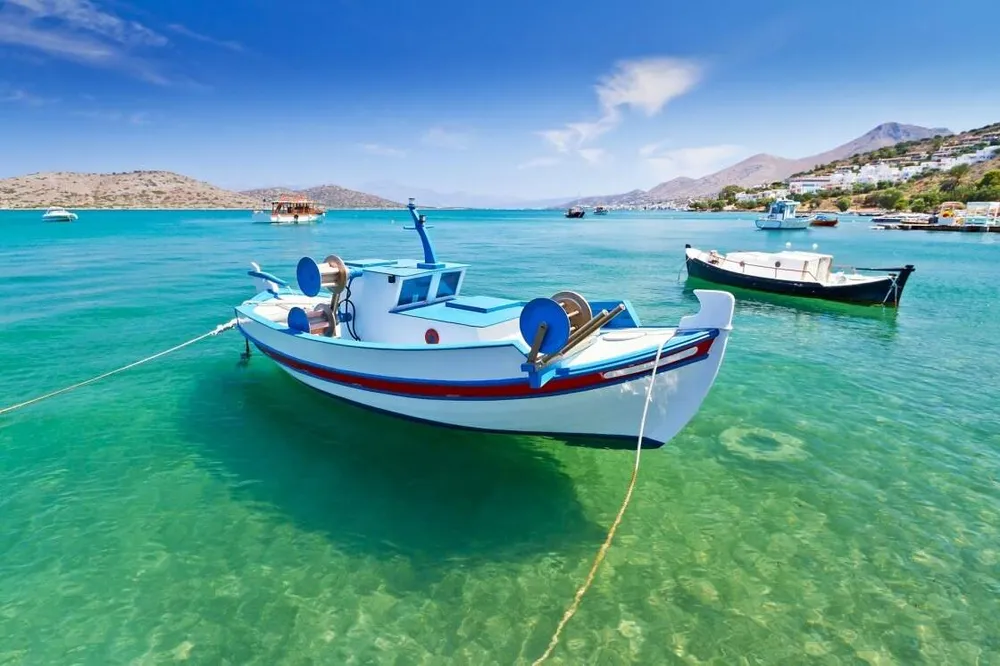
For travellers willing to continue their journey beyond mainland Europe, Greece offers countless coastal experiences.
Many islands feature:
Traditional harbours
Crystal-clear waters
Historic villages
Family-friendly beaches
Scenic walking paths
Direct Ferries enables travellers to compare many domestic ferry routes between Greek islands, making island-hopping holidays easier to organise.
Because ferry schedules can vary throughout the year, checking seasonal availability before confirming accommodation is sensible.
Coastal Italy: Beaches, ports and historic cities
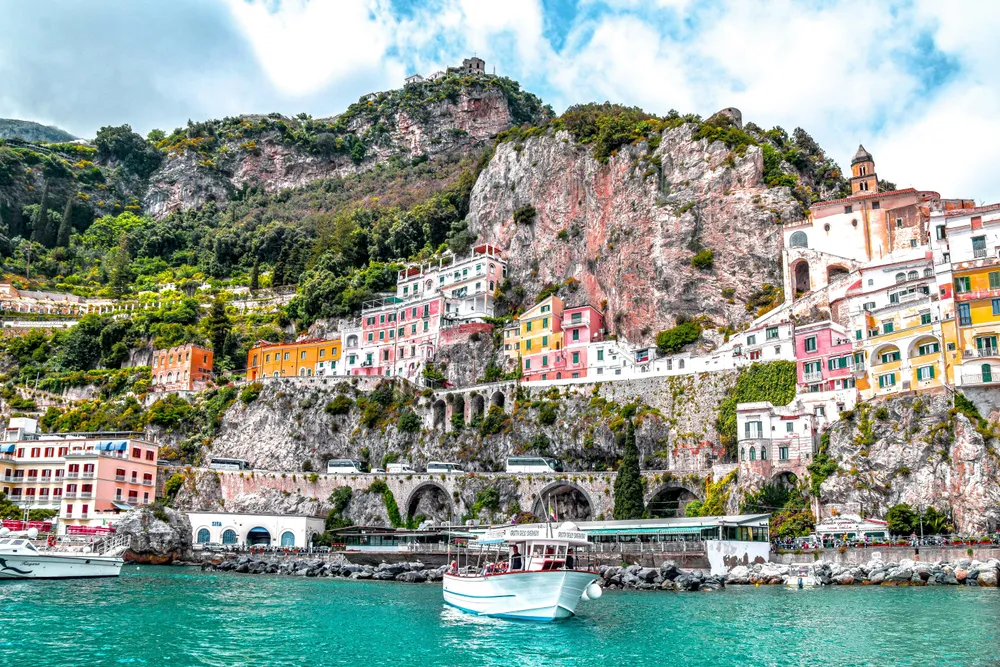
Italy's coastline offers remarkable variety.
Travellers can combine seaside relaxation with visits to historic ports, cliffside villages and Mediterranean islands.
Depending on the itinerary, ferry travel can also form part of a wider journey involving Sicily, Sardinia or smaller coastal islands connected by regular ferry services.
Families often enjoy balancing sightseeing with quieter beach days, particularly during longer holidays.
Planning a coastal holiday for different generations
Travelling with grandparents, parents and children means selecting destinations that offer something for everyone.
A balanced itinerary often works better than trying to visit several locations in quick succession.
When planning, consider:
Comfortable travel times
Shorter drives after arriving by ferry can help reduce travel fatigue, especially for younger children and older relatives.
Accommodation
Holiday cottages, apartments and family-friendly hotels usually provide more flexibility than smaller hotel rooms.
Accessible accommodation should be considered where mobility needs exist.
Activities
Choose destinations offering a mixture of beaches, nature, cultural attractions and restaurants so everyone can enjoy different experiences.
Rest days
Leaving free days between sightseeing allows families to relax without feeling rushed.
Budgeting for a ferry-based coastal holiday
The ferry fare forms only one part of the holiday budget.
Also consider:
Accommodation
Fuel
Road tolls
Meals
Parking
Local transport
Attraction tickets
Travel insurance
Travelling with your own vehicle may reduce the need for car hire, although fuel and driving costs should still be included when comparing destinations.
Booking tips before you travel
A little preparation helps avoid unnecessary complications.
Before confirming your ferry booking:
Compare available sailing times.
Check ticket conditions carefully.
Review cancellation and amendment policies.
Confirm vehicle measurements if travelling by car or campervan.
Check passport and travel requirements for your destination.
If travelling during school holidays or peak summer periods, booking earlier generally provides a wider selection of sailings and cabin options.
Frequently asked questions
Can Direct Ferries help me compare different coastal routes?
Yes. Direct Ferries allows travellers to compare ferry crossings offered by numerous participating ferry operators across a wide range of coastal destinations.
Is travelling with a car worthwhile?
For many coastal holidays, having your own vehicle offers greater flexibility to visit smaller beaches, villages and attractions beyond the immediate ferry port.
Which destinations suit multi-generational holidays?
Normandy, Brittany, Ireland and parts of the Netherlands are often well suited because they combine manageable travel distances with activities that appeal to different age groups.
Are overnight ferry crossings available?
Some international routes offer overnight sailings with private cabins, although availability depends on the ferry operator and specific route.
Should I plan several destinations?
If time allows, combining two nearby coastal regions often creates a more varied holiday. However, leaving enough time in each location usually results in a more relaxed experience.
Final thoughts
The best Coastal Destinations to explore with Direct Ferries depend on the type of holiday you enjoy. Whether you're discovering Normandy's beaches, driving along Ireland's Atlantic coastline, exploring northern Spain, visiting the Greek Islands or relaxing in Brittany, ferry travel offers the flexibility to experience coastal Europe at your own pace.
By comparing routes carefully, choosing accommodation that suits every generation and allowing enough time to enjoy each destination, you can create a holiday that balances sightseeing with relaxation. For many UK travellers, arriving by ferry is more than simply reaching the coast—it becomes the first memorable part of the journey.
Written By