
This article contains affiliate links. If you purchase through these links, we may earn a commission at no additional cost to you. This helps support our website and allows us to continue creating free content. Our recommendations are based on our independent research and editorial standards.
There is a specific kind of freedom that comes with booking a trip without wincing at the final total. You click through a few screens, enter your details, and instead of feeling like you have just financed a small loan, you feel relief. That is the promise that draws millions of passengers to coach travel every year. But in a crowded market, one name consistently appears at the top of the search results for affordable intercity connections. That name is megabus.
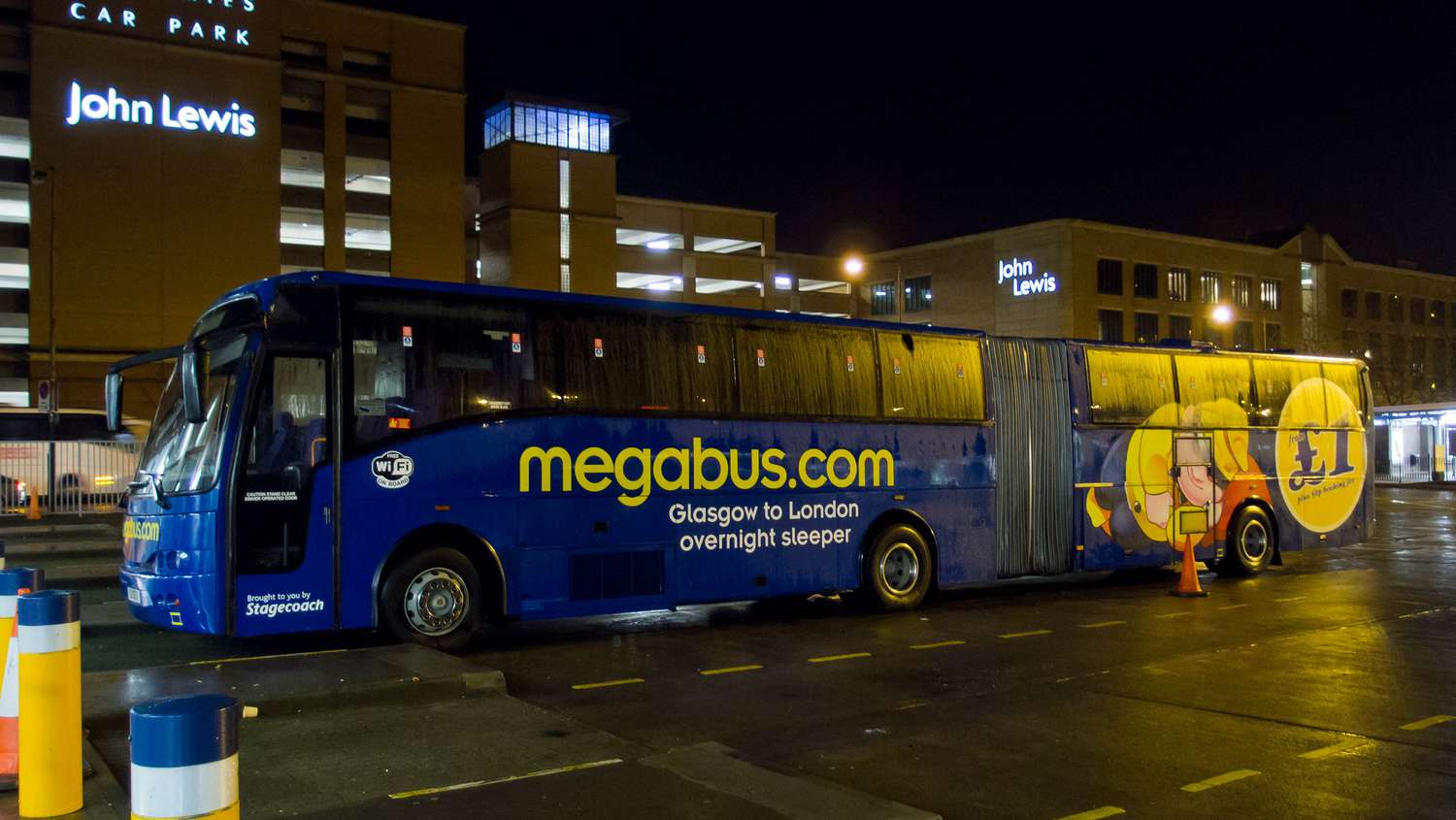
I have taken this service across the UK more times than I can count. For work. For visiting family. For weekends away where I wanted to spend my money on experiences rather than on getting there. Over the years, I have watched the fleet evolve, the onboard amenities improve, and the overall experience shift from a pure budget play to something genuinely comfortable. This review pulls together everything I have learned so you can decide whether megabus is the right fit for your next journey.
Why the Reputation for Value Is Real
Let us start with what most people ask about first. Pricing on megabus operates on a straightforward model that rewards planning without punishing spontaneity too harshly. When you book a few weeks in advance, fares can drop surprisingly low. I have traveled from London to Cardiff for less than the cost of a cinema ticket. I have gone from Manchester to Edinburgh for roughly the price of a nice sandwich and a coffee.
The key detail that builds trust here is transparency. There are no mysterious algorithms that spike the price simply because you searched for a route twice. The fare you see at the start of the booking process is the fare you pay, plus a small booking fee that remains clearly displayed. For anyone who has been burned by hidden fees on other transport options, that clarity matters.
What this means in practical terms is that travel becomes accessible. Students can visit home without begging for extra funds. Young professionals can take a weekend trip without guilt. Families can afford to bring everyone along without choosing between the journey and the activity at the destination. That is the real value of affordable travel, and it is the foundation of the entire experience.
Comfort on the Road: What the Seats Actually Feel Like
Here is where personal expectations come into play. Comfort is subjective. What feels perfectly fine to one traveler might feel cramped to another. That said, the current generation of coaches used by megabus on major routes represents a significant step up from the old stereotype of worn-out benches and limited legroom.
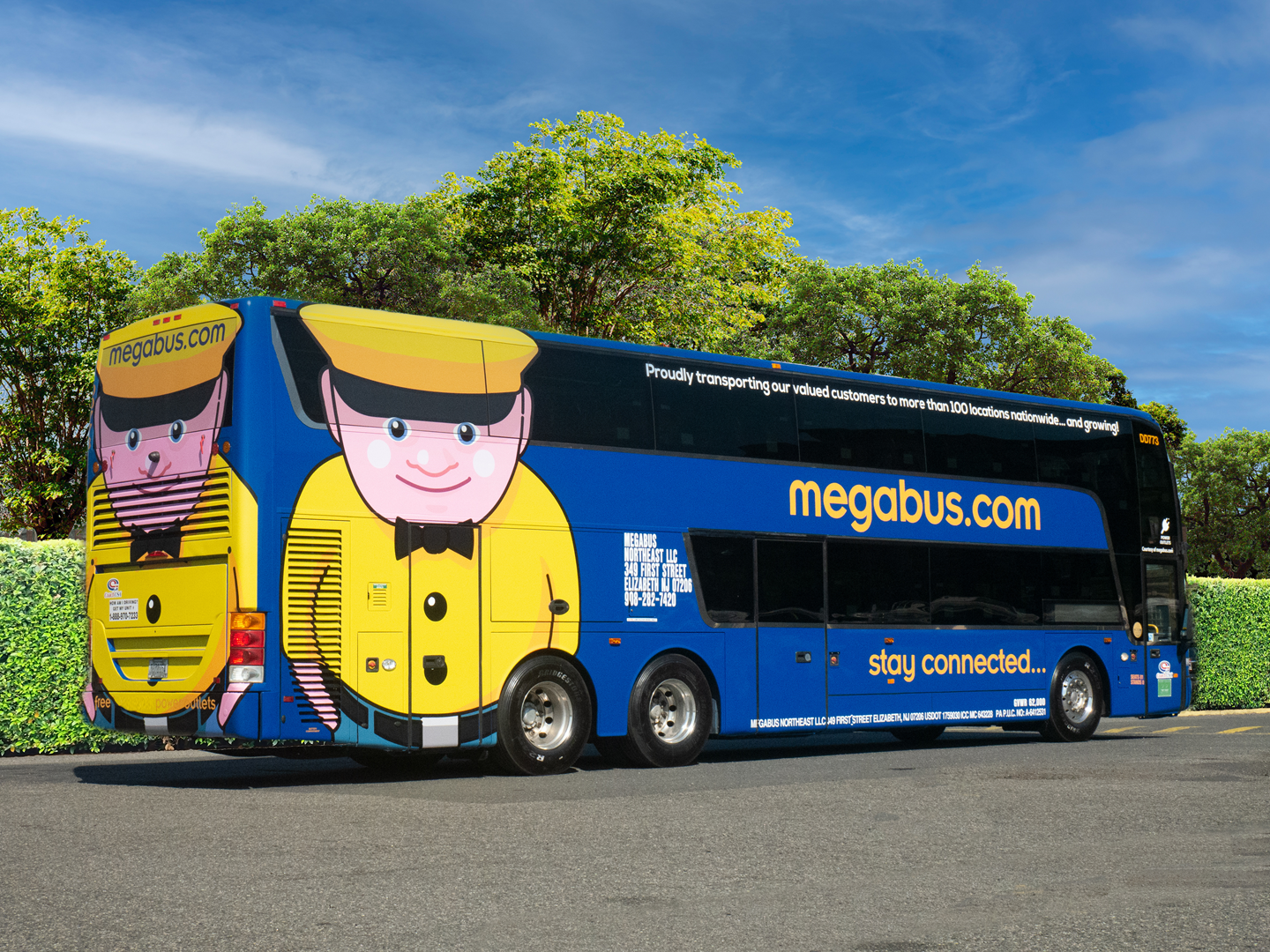
For most routes, you will find yourself on a double-decker coach with high-backed seats that recline to a reasonable angle. The fabric is durable and clean. The seats are arranged in a standard configuration that prioritizes capacity without making you feel like cargo. I am just over six feet tall, and I have never felt genuinely uncomfortable on a journey under five hours. The legroom is adequate. The width is standard. If you have taken a long-distance train in standard class, you will find the difference to be minimal.
Where the experience shines is on the upper deck at the front. Those window seats offer panoramic views that turn the journey into part of the trip rather than just the boring bit in between. Watching the British countryside roll past from that height is genuinely pleasant. Sunrise and sunset journeys from that vantage point have been some of my favorite travel memories.
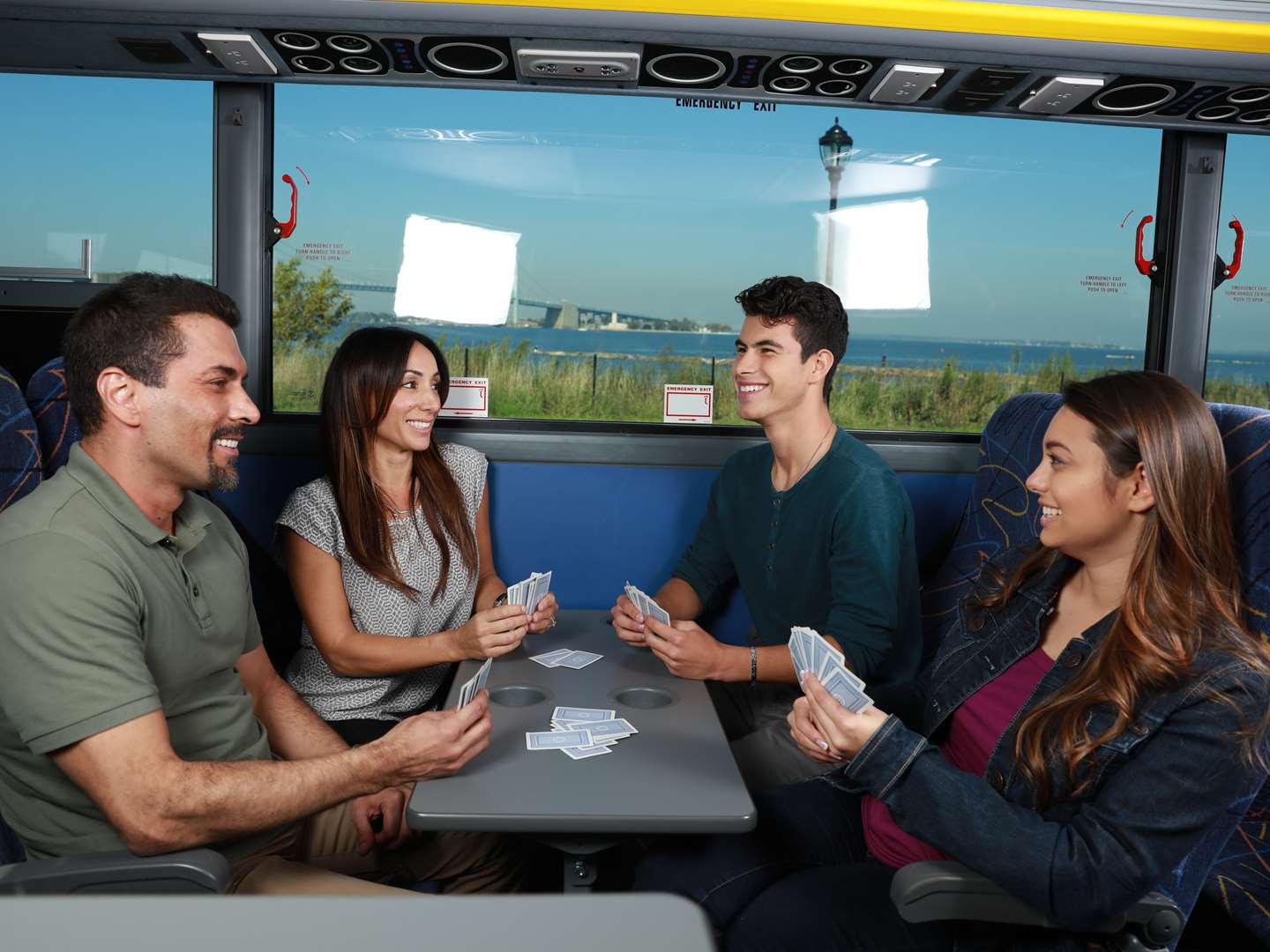
The onboard atmosphere tends toward the quiet side. Most passengers keep to themselves. Some sleep. Others work. Many simply stare out the window and let their minds wander. There is no enforced silence, but the unwritten rule of coach travel is mutual respect for personal space and peace.
Practical Amenities That Actually Get Used
A list of features means nothing if those features do not work. I have been on plenty of transport options where the promised Wi-Fi was a suggestion at best. That has not been my experience with megabus on major intercity routes.
The Wi-Fi connects reliably enough for email, messaging, browsing, and streaming music. It is not built for video conferencing or downloading large files, and that is a reasonable limitation given the environment. For checking social media, catching up on news, or sending a few work messages, it does the job perfectly well.
Power outlets are present at every seat on the modern fleet. This detail matters more than people realize before they travel. Knowing that your phone or laptop will arrive with a full charge removes an entire category of travel anxiety. You do not need to ration your battery or carry a massive backup pack. You simply plug in and forget about it.
Storage follows a sensible layout. There is an undercarriage luggage hold for larger suitcases, which is accessible to passengers during loading. Overhead bins handle smaller bags and backpacks. For day trips or overnight stays, a single carry-on sized bag kept at your feet or above your head works perfectly.
The Onboard Restroom Question
Let us address the practical reality that every traveler eventually wonders about. The restroom on a coach is what it is. It exists for emergencies and convenience. It is small. It is functional. It is cleaned at the start of the journey and does the job it is designed to do.
The better approach is to use the comfort break that most long-distance services include. These stops typically happen at motorway service stations about halfway through the journey. You get fifteen to twenty minutes to stretch your legs, use proper facilities, grab a snack or a hot drink, and reset before the second half of the trip. This break breaks up the journey nicely and makes the travel time feel more manageable.
Booking and Boarding Without the Stress
The booking process on the official website deserves recognition for being genuinely painless. You enter your departure and arrival cities. You select a date. You see available times displayed clearly with prices attached. You pick a seat if you want to. You pay. You receive a confirmation email with a QR code. That code is your ticket. No printing required. No apps to download unless you prefer them.
Boarding follows an equally straightforward pattern. You arrive at the designated stop, usually a clearly marked bay at a central coach station or a signed stop on a city street. You show your QR code to the driver. You stow your luggage. You find your seat. The driver handles the rest.
A practical tip that saves stress on busy routes is arriving at least fifteen minutes before departure. The coaches leave on time. If you are running late by thirty seconds, you will be watching the coach drive away without you. That is not a flaw in the service. That is a reality of road transport where schedules must be maintained for everyone on board.
Comparing Without Criticising
Every travel option has strengths and weaknesses. The train is faster when everything runs perfectly. The car offers door to door flexibility. Flying makes sense for very long distances. But for the journey between most major UK cities, megabus occupies a specific and valuable space.
It is not trying to be the fastest option. It is trying to be the most sensible option for a huge number of travellers who care about their budget and are willing to trade a bit of time for significant savings. That trade off makes sense for students, freelancers, budget conscious families, and anyone who looks at train prices and wonders who can actually afford them.
The journey time on most routes ranges from three to six hours depending on distance and traffic. During off peak hours, the coaches make excellent progress. During Friday afternoon rush hour, you will sit in traffic just like every other vehicle on the road. That is not a shortcoming of the service. That is the reality of the British road network.
Who This Service Works Best For
After many journeys, I have developed a clear picture of the traveller who will love this service. It works beautifully for solo travellers who want to keep costs down without feeling unsafe or uncomfortable. It works for couples travelling light who do not mind sitting together and sharing the experience. It works for students moving between university and home. It works for anyone travelling to or from a city where the coach station is more conveniently located than the train station.
In many UK cities, the coach station sits closer to the city centre than the railway station does. Manchester and London are good examples of this dynamic. The convenience of stepping off the coach and walking directly into the heart of the city rather than navigating a long connection saves time and mental energy.
Final Thoughts on the Megabus Experience
When I think about whether to recommend megabus to a friend or a reader, I ask myself a simple question. Does this service deliver what it promises? The answer is consistently yes. It promises affordable travel. It delivers. It promises a clean and functional onboard experience. It delivers. It promises to get you from one city to another safely and reasonably comfortably. It delivers.
What it does not do is pretend to be something it is not. This is not luxury travel. The seats are not leather armchairs. The Wi-Fi will not support your zoom call. The journey takes as long as the road demands. But for the vast majority of travellers who simply need to get from point A to point B without spending a fortune, those limitations are more than acceptable.
The next time you plan a trip, check the website. See what the fare looks like for your dates. Compare it to the alternatives. If the journey time works for your schedule and the savings matter to your budget, you will likely find yourself becoming a regular passenger. I certainly have. And I suspect you will understand why once you have experienced a stress free, affordable journey from the top deck of a coach watching the British countryside roll by.
Written By