
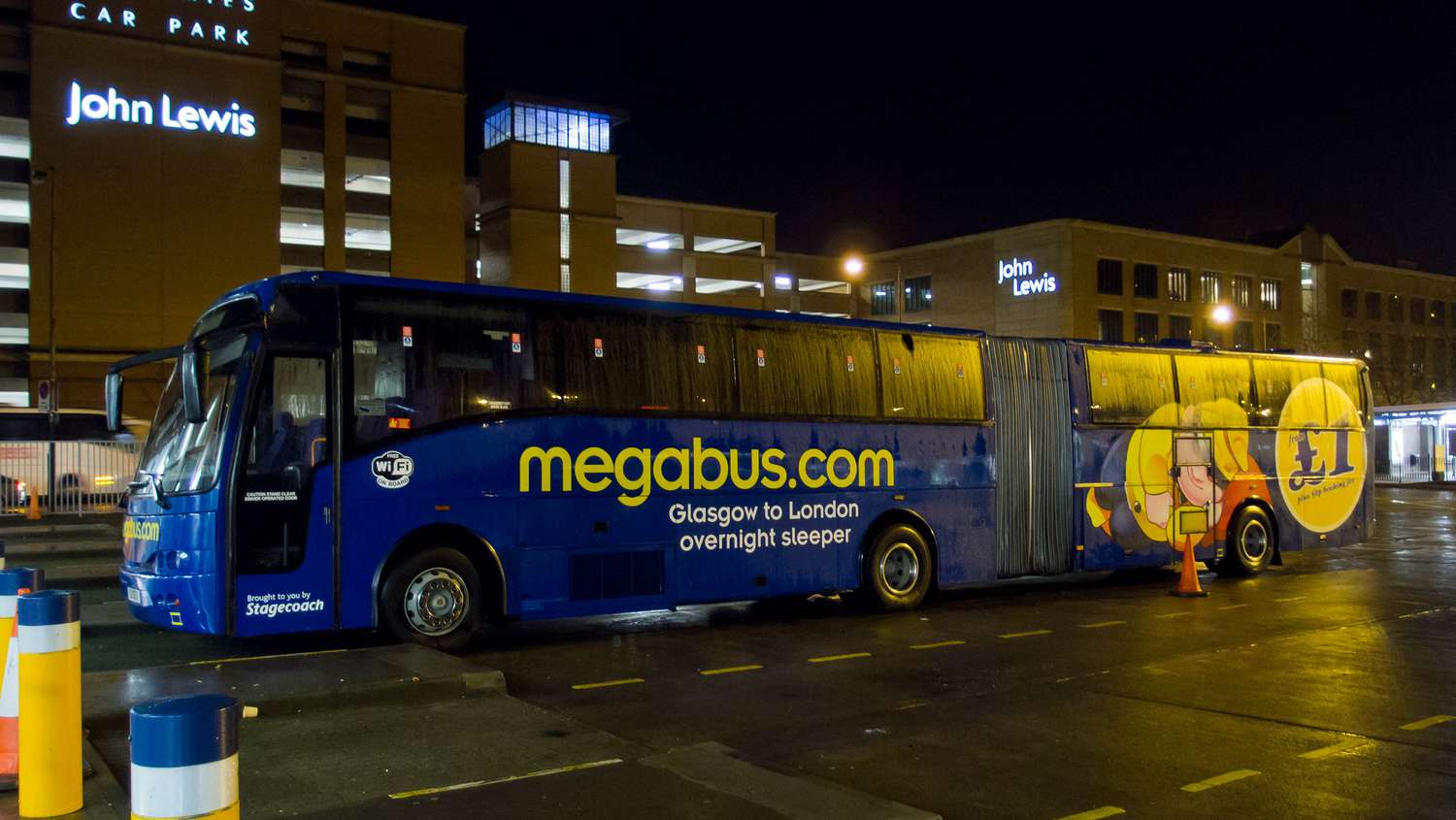
There is a specific moment on the M6 motorway, roughly two hours north of London, where the urban sprawl finally gives way to the rolling hills of the Midlands. The sun is starting to set, your headphones are playing the perfect playlist, and you glance at your phone to see you are still on time and on budget. This is the reality of modern coach travel, specifically the journey from London to Manchester via megabus.
For years, the debate between train and coach has felt like a class distinction. The train is perceived as the professional’s choice, while the coach is often unfairly relegated to the "budget" column. But having traversed this 200-mile route dozens of times for business, university visits, and reunions with friends in the North, I have come to a different conclusion. The megabus isn't just a cheap alternative; for many travelers, it is the superior option when you weigh comfort, productivity, and cost.
Here is an honest, boots-on-the-ground review of what you can actually expect when you trade the train platform for the Victoria Coach Station departure gate.
The Booking Experience and the Price Point

Let’s address the elephant in the room immediately: the cost. If you have ever tried to book a last-minute train from Euston to Piccadilly, you have likely experienced the dreaded "sticker shock"—sometimes exceeding £150 for a standard return.
By contrast, booking a seat on the megabus is refreshingly transparent. On the official website, you are greeted with a clear grid of prices. If you book a few weeks in advance, it is not unusual to snag tickets for under £15 each way. Even if you are a disorganized traveler like me, booking a day or two in advance rarely breaks the £30 mark.
This affordability does not come with a catch. There are no hidden fuel surcharges or confusing peak-time restrictions that double your fare. You pay for your seat, you pay a modest booking fee, and you are done. For a freelancer or a budget-conscious family visiting Manchester’s museums, that kind of pricing structure builds immediate trust. You know exactly where you stand.
Comfort and Onboard Setup
A common misconception about budget coach travel is that you will be crammed into a tiny seat on a rickety van. The reality of the London to Manchester route is usually the opposite. The service primarily operates using modern, dual-axle double-decker coaches.
Upstairs, at the front, you will find the most coveted real estate in British travel. These seats offer panoramic views of the M1 and M6. Gone are the days of dim lighting and musty upholstery. The current fleet is designed with the commuter in mind. The seats are high-backed and provide adequate lumbar support for the roughly four-and-a-half-hour journey . I have managed to get more work done on a megabus than I ever have on a rush-hour train. With the addition of free Wi-Fi and standard power outlets at every seat, the coach effectively becomes a mobile office .
However, let’s keep it authentic. If you are over six feet tall, you will notice the legroom is tighter than a premium rail service. But is it bearable for a journey of this length? Absolutely. The trade-off is the ability to stretch your legs at the service station halfway through the journey while buying a coffee with the £100 you saved by not taking the train.
The Departure Points: Logistics Matter
One of the strongest logistical advantages of taking the megabus is the departure point. In London, you depart from Victoria Coach Station. For anyone flying into Gatwick or Victoria station, or those living in South or West London, this is a game-changer. You do not need to navigate the Northern Line to Euston; you simply walk to the station.
Upon arrival in Manchester, you pull into the Shudehill Interchange . This is arguably a more convenient drop-off point for many visitors than Piccadilly Train Station. Shudehill sits right on the edge of the Northern Quarter, the city’s creative hub, and is adjacent to the Printworks. You step off the bus, walk two minutes, and you are in the heart of the city’s best bars and restaurants. It is a smooth, stress-free transition from capital to the North.
The Onboard Experience: Scenery and Sanitation

Traveling by road rather than rail offers a different perspective of England. The train lines often cut through back gardens and tunneled hillsides, but the coach sticks to the arteries of the country. The run through the Midlands is surprisingly pleasant, and the final descent into Manchester, where the urban landscape changes from brick terraces to modern high-rises, is a fascinating visual journey.
Regarding facilities, the onboard restroom is there for emergencies. It is a coach toilet, which means it is functional and available when you need it, but treat it like an airplane lavatory—use it if you must, but time your visit for the rest break if you can . The service is consistent: clean upon departure, air-conditioned, and generally quiet. Because the double-decker separates the driver from most passengers, the ride feels stable and secure.
Should You Book?
To offer a balanced perspective, this service is not for you if you are trying to make a meeting in Manchester in under two hours—the train will always win on raw speed. But for the vast majority of travelers moving between London and Manchester, time is often more flexible than budget.
The megabus service provides a reliable, safe, and increasingly comfortable artery between these two great cities. It removes the anxiety of dynamic pricing and replaces it with predictability. Whether you are a student heading home for the holidays, a creative heading to a photoshoot in the Northern Quarter, or a family heading to Old Trafford, the value proposition is undeniable. You arrive at your destination relaxed, connected, and with your wallet intact. For the savvy traveler, that is the perfect journey.