
This article contains affiliate links. If you purchase through these links, we may earn a commission at no additional cost to you. This helps support our website and allows us to continue creating free content. Our recommendations are based on our independent research and editorial standards.
Planning a Europe trip in 2026 feels exciting, but if you have been hearing about “new rules,” “digital visas,” or “biometric checks,” you are not alone. Travel to the Schengen Area is going through a major upgrade, and honestly, it is changing how people enter Europe.
The good news is that these changes are designed to make travel more secure and eventually smoother. But yes, they do come with a few new steps you should know before packing your bags.
So let’s break it down in a simple, friendly way so you know exactly what to expect.
What Are the New Visa Rules for Traveling to the Schengen Area?
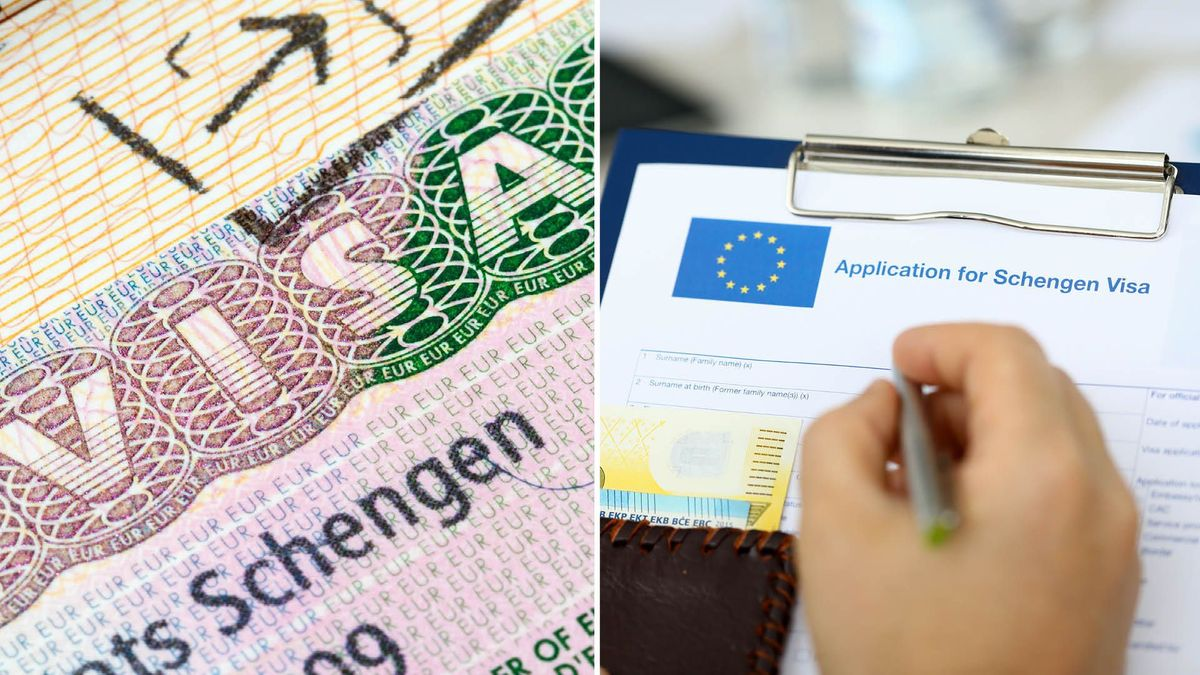
In 2026, the biggest changes to Schengen travel revolve around digital systems, biometric checks, and new pre travel authorisations.
Here are the key updates:
A new digital border system called EES
A new travel authorisation system called ETIAS
Stricter monitoring of stays and entries
Updated EU visa strategy and policies
These changes apply differently depending on whether you need a visa or not.
If you are from a country like India, you will still need a Schengen visa. But the way your entry is recorded and monitored has changed.
The Entry Exit System EES Is Now Live
One of the biggest changes is the Entry Exit System (EES), which started rolling out in late 2025 and will be fully implemented by 2026.
Earlier, your passport would simply get stamped when you entered or left Europe. Now, things are more digital.
Under EES:
Your fingerprints and facial image are recorded
Your entry and exit are tracked electronically
Passport stamping is being replaced
This system helps track how long you stay and prevents overstaying.
It also means your first entry into the Schengen Area might take a little longer because of biometric registration.
But after that, future travel should be faster and smoother.
ETIAS A New Step for Visa Free Travelers
Now here is where many people get confused.
ETIAS is not a visa, but a travel authorisation.
Starting in late 2026, travelers from visa free countries like the US, UK, or Canada will need to apply online before visiting Europe.
Here is how it works:
Apply online before travel
Pay a small fee (around €20)
Get approval linked to your passport
Valid for up to 3 years
It allows stays of up to 90 days within 180 days.
Important note
If you are an Indian traveler, this does not replace your visa. You still need a Schengen visa, so ETIAS does not apply to you directly.
More Digital and Data Driven Border Control

Another big shift in 2026 is how data is used in travel.
The Schengen system is becoming more digital and connected. Instead of manual checks, everything is now tracked electronically.
This includes:
Biometric data like fingerprints and photos
Digital records of entry and exit
Automated border gates in some airports
The goal is to improve security and manage travel more efficiently.
For travelers, this means:
Less paperwork in the future
But stricter monitoring of rules
So staying within your allowed visa duration is more important than ever.
Stricter Compliance and Monitoring
In 2026, Schengen countries are becoming stricter about rules, especially regarding:
Overstaying visas
Incorrect travel documents
Frequent short stay misuse
Because everything is now digitally tracked, it is much harder to bypass rules.
If you overstay even by a few days, it could affect your future visa applications.
So it is important to:
Keep track of your stay duration
Follow visa conditions carefully
Carry proper documentation
Changes in Visa Policies and Strategy
The European Union has also introduced a new visa strategy in 2026.
This focuses on:
Stronger border security
Faster processing for trusted travelers
More flexible long term visa options
There are even discussions about longer validity multiple entry visas for frequent travelers and professionals.
This could make travel easier in the long run, especially for business travelers.
What This Means for Indian Travelers
If you are traveling from India, here is the simple version:
You still need a Schengen visa
ETIAS does not apply to you
Your entry will now include biometric checks under EES
Border processes may take slightly longer initially
But overall, the visa process itself remains similar, just more digitized and strict.
Why These Changes Are Happening
Europe is not making travel harder for no reason.
These updates are designed to:
Improve border security
Prevent illegal stays
Manage increasing travel demand
Make systems more efficient
With millions of travelers entering Europe every year, digital systems help keep everything organized and secure.
Tips to Travel Smoothly in 2026
To avoid any stress during your trip, keep these tips in mind:
Apply for your visa well in advance
Double check all your documents
Be prepared for biometric checks at the border
Arrive early at airports during peak seasons
Track your stay duration carefully
A little preparation goes a long way.
Summary
In 2026, the Schengen Area has introduced major changes including the Entry Exit System (EES) and the upcoming ETIAS travel authorisation. EES replaces passport stamping with biometric tracking, while ETIAS will require visa free travelers to apply online before entering Europe. Indian travelers still need a Schengen visa but will experience more digital and stricter border processes. Overall, the new rules aim to improve security, efficiency, and travel management across Europe.
FAQs
1. Do I need a visa to travel to the Schengen Area in 2026?
If you are from India, yes, you still need a Schengen visa.
2. What is ETIAS and who needs it?
ETIAS is a travel authorisation required for visa free travelers starting late 2026.
3. What is the Entry Exit System (EES)?
It is a digital system that records your entry and exit using biometric data instead of passport stamps.
4. Will border checks take longer now?
Your first entry might take longer due to biometric registration, but future travel should be faster.
5. What happens if I overstay my visa?
Overstays are now strictly monitored and can affect future visa approvals.
Written By